
Key Takeaways
- Intent-Based Planning: Successful 2026 content strategies prioritize 'Information Seekers' (how-to guides) and 'Solution Seekers' (comparisons) to capture top-of-funnel traffic before competitors.
- Efficiency Benchmarks: High-performing Shopify blogs aim for a minimum of 1,200 words per post to satisfy search engine depth requirements, while maintaining page load speeds under 1.5 seconds.
- Conversion Integration: Every blog post should feature at least one Product Recommendation block or an embedded discount code to bridge the gap between education and transaction.
- Keyword Strategy: Focus on long-tail queries with a difficulty score below 30 to see organic movement within the first 90 days of publication.
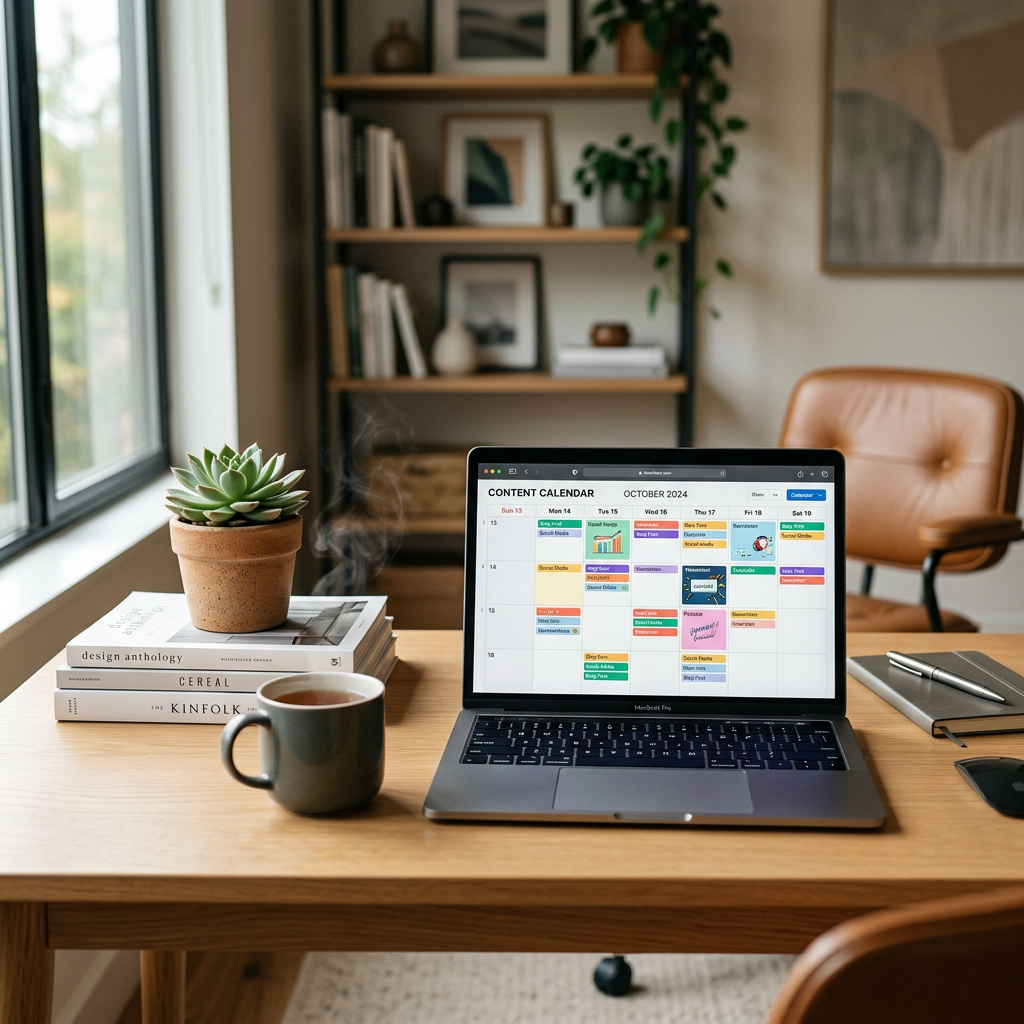
The difference between a stagnant Shopify site and a thriving brand often lies in the quality of its editorial narrative. While product pages close the sale, your blog cultivates the relationship and captures the 97% of traffic that isn't ready to buy today. By executing a disciplined content calendar, you transform a transactional storefront into a destination for expertise.
The Strategic Framework for Ecommerce Blogging
Before drafting your first post, establish a baseline for your content's technical health. A blog that loads slowly or lacks proper metadata will fail to rank, regardless of the quality of the prose. Use a Free Shopify Store SEO Checker to identify existing infrastructure issues like missing H1 tags or slow Liquid response times before scaling your publishing volume.
Technical Specs for 2026 Blog Performance
| Feature | Optimal Value | Why It Matters |
|---|---|---|
| Featured Image | 1200 x 628px | Standard for Social Sharing & Google Discover |
| Image File Size | < 100 KB | Prevents Cumulative Layout Shift (CLS) issues |
| Meta Title | 55–60 Characters | Prevents truncation in mobile SERPs |
| Subheadings | H2 and H3 every 300 words | Improves readability and 'featured snippet' potential |
| Alt Text | < 125 Characters | Essential for ADA compliance and image search |
Pro-Tip: Use a Free Shopify Alt Text Generator for every blog image. Search engines in 2026 place higher weight on semantic image descriptions than ever before.
Apparel and Fashion: Beyond the Lookbook
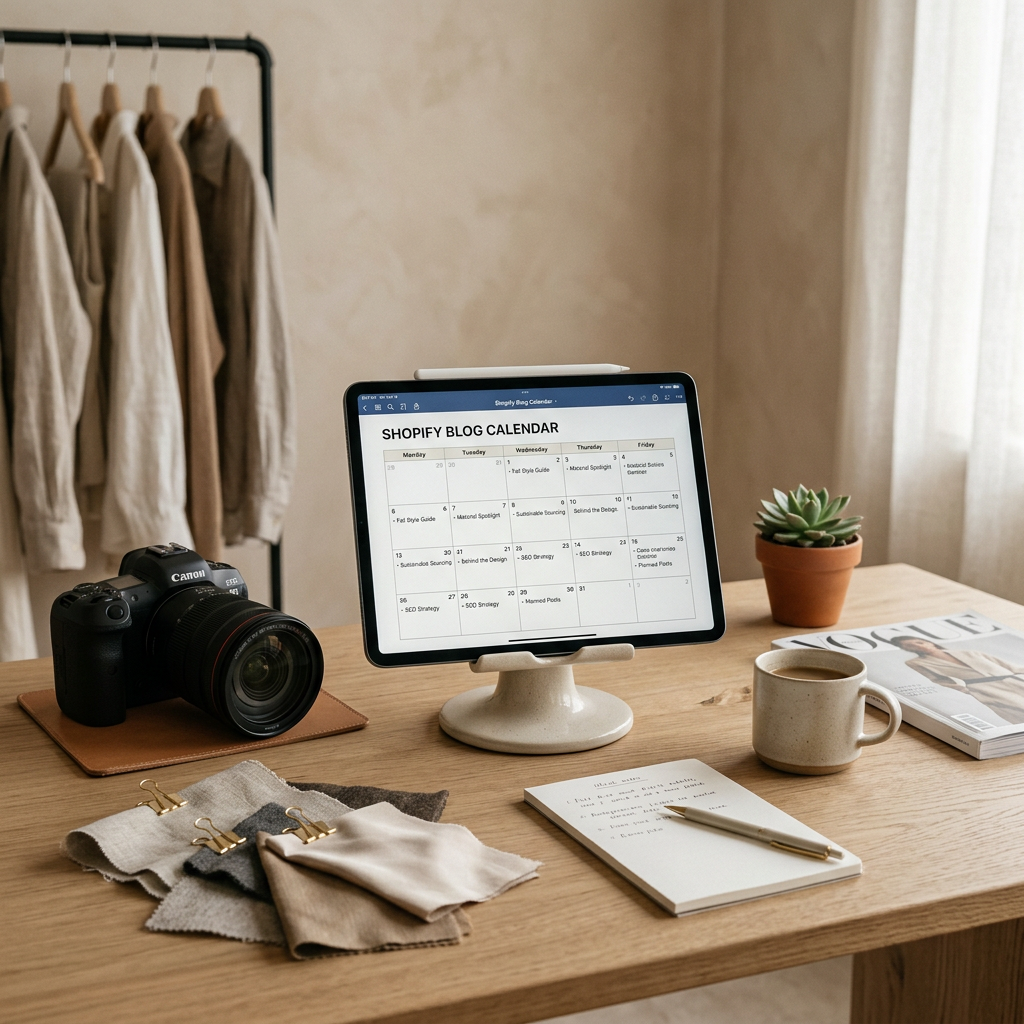
Fashion content must solve styling dilemmas rather than simply showcasing inventory. Readers look for versatility and longevity in their purchases.
Core Topics for Fashion Merchants
- The Capsule Wardrobe Challenge: How to create 15 outfits from 5 core pieces in your collection.
- Fabric Care 101: A guide to making luxury materials (silk, linen, organic cotton) last for years.
- Sustainable Sourcing: A deep dive into your supply chain and the ethics behind your textiles.
- Trend Forecast 2026: Which colors and silhouettes will dominate the upcoming season.
- Size Inclusivity Guide: Real-world photos of your products on various body types with fit notes.
Home and Interior Decor: Creating Sanctuary
Home decor shoppers are often looking for a specific mood or solution to a space constraint. Your blog should act as a digital interior designer.
Core Topics for Home Decor Merchants
- Small Space Solutions: Maximizing utility in urban apartments without sacrificing style.
- Lighting Layers: How to combine ambient, task, and accent lighting for a cozy evening.
- Seasonal Transitions: Three subtle ways to refresh a living room for the autumn months.
- Gallery Wall Mechanics: A step-by-step guide to measuring and hanging art clusters.
- The Psychology of Color: How specific hues in your collection affect mood and productivity.
Health and Beauty: Education Through Science
In the beauty niche, trust is the primary currency. If you are struggling to narrow down your focus, the Free Shopify Blog Topic Generator can help you create a cluster of posts that establish your brand as a topical authority.
Core Topics for Beauty Merchants
- Ingredient Deep Dives: Explaining the science behind Niacinamide, Peptides, or Bakuchiol.
- Morning vs. Night Routines: A breakdown of when to apply specific serums for maximum efficacy.
- Skin Barrier Repair: How to identify and treat over-exfoliated skin.
- Clean Beauty Myths: Debunking common misconceptions about natural vs. synthetic ingredients.
- Consumer Case Studies: Real results from 30 days of consistent product use.
Food and Beverage: The Sensory Experience
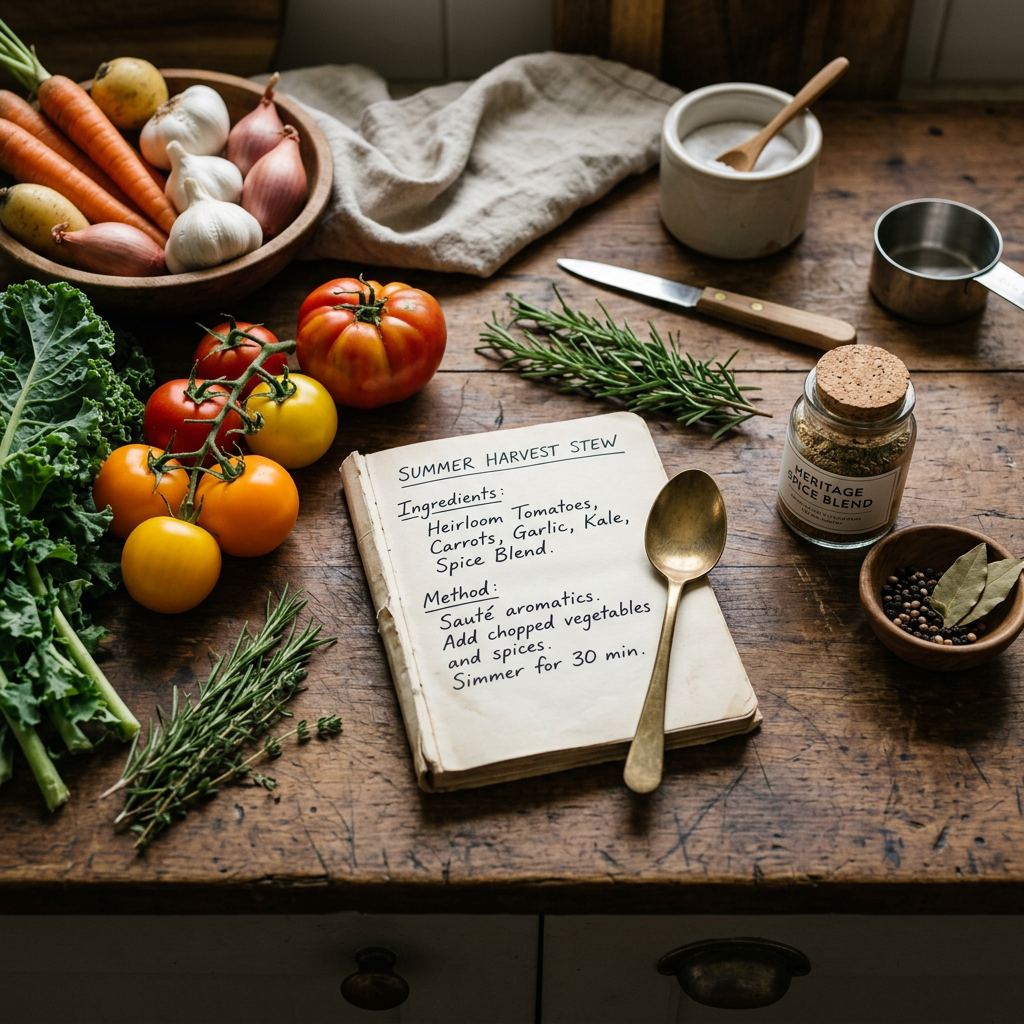
Selling consumables online requires overcoming the lack of taste and smell. Use evocative language and recipe-based content to bridge this gap.
Core Topics for Food Merchants
- Pairing Guides: Which wines or non-alcoholic botanicals complement your signature products.
- Behind the Batch: A video-led post showing the small-batch production process.
- The Perfect Gift Basket: How to curate a gourmet experience for different personality types.
- Shelf-Life Hacks: Proper storage techniques to maintain flavor profile and freshness.
- Meet the Maker: Interviews with the farmers or artisans who provide your raw ingredients.
Tech and Gadgets: Solving Complex Problems
Technology buyers are research-heavy. They want to know exactly how a product fits into their existing ecosystem. This is a critical component of Shopify SEO: The Complete Guide for Store Owners (2026), where technical accuracy drives rankings.
Core Topics for Tech Merchants
- Setup Walkthroughs: A frictionless guide to getting a device running in under five minutes.
- Compatibility Matrices: A clear table showing which software or hardware works with your products.
- Future-Proofing: Why your product remains relevant in the 2026 hardware landscape.
- Battery Life Benchmarks: Real-world testing data under different usage scenarios.
- The Hidden Features: Uncovering 5 things your gadget can do that most users miss.
Professional Service and Digital Goods
For those selling expertise or downloads, the blog is your primary portfolio. You must prove the value of your knowledge before a transaction occurs.
Core Topics for Digital Merchants
- Implementation Workflows: How to integrate a digital template into a daily professional routine.
- Common Mistakes: Identifying why most people fail at [specific skill] and how to fix it.
- Software Stack Recommendations: The complementary tools you use alongside your own products.
- Time-Saving Calculus: Showing exactly how many hours your product saves the average user.
- Case Studies in Efficiency: Before and after scenarios from your most successful clients.
Lifestyle and Outdoor Gear: Building Community
Outdoor brands thrive on aspiration and utility. Your content should inspire the next adventure while providing the safety knowledge required to enjoy it.
Core Topics for Outdoor Merchants
- Trail Safety: Essential gear for different terrain types and weather conditions.
- Packing Lists: Comprehensive checklists for weekend trips vs. week-long expeditions.
- Sustainability in the Wild: The 'Leave No Trace' principles and how your brand supports them.
- Local Spotlights: The best hidden gems for hiking or camping within a specific region.
- Gear Maintenance: How to clean and waterproof equipment after a season of heavy use.
Optimizing Your Editorial Calendar
Writing the content is only half the battle. To ensure these blog ideas for online store growth actually convert, you must measure the ROI of every post. Use the Free Shopify Fee Calculator to understand your net margins, which helps determine how much you can afford to spend on content creation and paid promotion for high-converting articles.
Content Type Comparison
| Content Type | Primary Goal | SEO Value | Conversion Rate |
|---|---|---|---|
| How-To Guide | Education | High | Moderate |
| Comparison Post | Decision Support | Moderate | High |
| Gift Guide | Quick Discovery | High (Seasonal) | High |
| Brand Story | Loyalty | Low | Low |
| Feature Update | Retention | Low | Moderate |
Tip: Repurpose high-performing blog posts into email newsletters and social snippets. A single 1,500-word guide can yield 5 Instagram captions and 2 dedicated emails, maximizing the return on your time.
Concluding Your Content Strategy
The most successful Shopify stores in 2026 are those that view their blog not as a chore, but as a strategic asset. By moving through these 50 ideas, you create a comprehensive web of information that catches potential customers at every stage of their journey. Consistency, combined with technical SEO excellence, is the only sustainable way to grow organic reach in an increasingly crowded marketplace.
Start refining your technical foundation today by auditing your current performance with our suite of ListerRank tools.
Frequently Asked Questions
How often should I post on my Shopify blog in 2026?
Quality consistently beats quantity. Aim for one high-quality, 1,200+ word post per week rather than daily low-value updates. This frequency allows Google to crawl your site regularly while giving you enough time to promote each piece effectively.
Do blog posts really help with Shopify SEO?
Yes. Blogs allow you to rank for long-tail keywords and 'informational intent' queries that product pages cannot target. They also provide internal linking opportunities that boost the authority of your main collection pages.
What is the best length for an ecommerce blog post?
In 2026, the competitive standard for informational content is between 1,200 and 2,000 words. However, the most important factor is 'search task accomplishment'—ensuring the reader's question is fully answered without unnecessary fluff.