

Key Takeaways
- AI search engines prioritize Shopify product pages with structured data accuracy exceeding 98%, specifically requiring valid
aggregateRatingandoffersschema properties. - Product descriptions must front-load functional utility within the first 150 characters to align with Large Language Model (LLM) summary tokens.
- Citation probability increases by 40% when Shopify stores include high-contrast product images with descriptive alt text under 125 characters.
- Real-time inventory availability reflected in Open Graph metadata is a primary filter for AI search product recommendations to prevent surfacing out-of-stock items.
Modern commerce in 2026 is no longer governed solely by blue links and ranking positions. It is governed by relevance defined by Large Language Models like ChatGPT, Perplexity, and Claude, which act as digital concierges for high-intent shoppers.
The Architecture of AI Citation
When a user asks Perplexity for the "best breathable running jacket for humid weather," the AI does not simply crawl a list of keywords. It parses product data to form a synthesized recommendation. For a Shopify merchant, being the "cited source" in that answer is the new top-of-funnel conversion. The AI looks for high-confidence data points—specifically, those found in your Liquid templates' JSON-LD blocks.
The Importance of Semantic Connectivity
AI models use embedding vectors to understand how your product relates to a user's specific problem. If your product page describes a ceramic pan only as "durable," you miss the semantic link to queries about "PFAS-free cookware" or "non-toxic induction pans." Using a Free Shopify Product Description Generator can help pivot from vague adjectives to benefit-led descriptions that AI can easily categorize.
Technical Specs for AI Visibility
To be eligible for citation, your Shopify theme must adhere to strict data thresholds. AI agents prefer clean, machine-readable attributes over stylized marketing copy.
| Attribute | Requirement for AI Citation | Shopify Implementation Field |
|---|---|---|
| Schema Type | Product, Review, Offer | JSON-LD / Metafields |
| Load Speed | < 1.8s LCP | Online Store 2.0 / Liquid |
| Alt Text | < 125 characters | Image Settings |
| GTIN/MPN | Required for Comparison | Product Identity Metafield |
| Inventory | Must be 'InStock' | Real-time Inventory API |

Natural Language Query Alignment
In 2026, the way we optimize for ai search product recommendations centers on conversational context. Traditional SEO focused on "buy leather boots." AI SEO focuses on "What are the best waterproof leather boots for walking 5 miles a day?" Your product pages need to answer these long-tail situational questions within the body text to be selected as the definitive answer.
Mapping Benefits to Tokens
LLMs process text in chunks called tokens. If your most important product information is buried at the bottom of a 2,000-word page, the AI may truncate the data before reaching the relevant value proposition. Ensure your meta titles and descriptions are concise; utilizing a Free Shopify Meta Title & Description Generator ensures you stay within the 60-character high-impact zone that AI agents prioritize for their citation snippets.
Pro-Tip: Monitor your store's performance with a Free Shopify Store SEO Checker once a month. The tool evaluates if your schema is currently readable by AI scrapers or if broken tags are hidden in your theme's Liquid code.
The Role of User Sentiment
AI engines do not just read your copy; they read your customers' feedback. By synthesizing Shopify reviews using sentiment analysis, ChatGPT determines if your product actually meets the claims you make. A product with a 4.8-star average across 500 reviews is five times more likely to be recommended by an AI assistant than a 5.0-star product with only two reviews, as the higher volume provides more "training data" for the AI's confidence score.
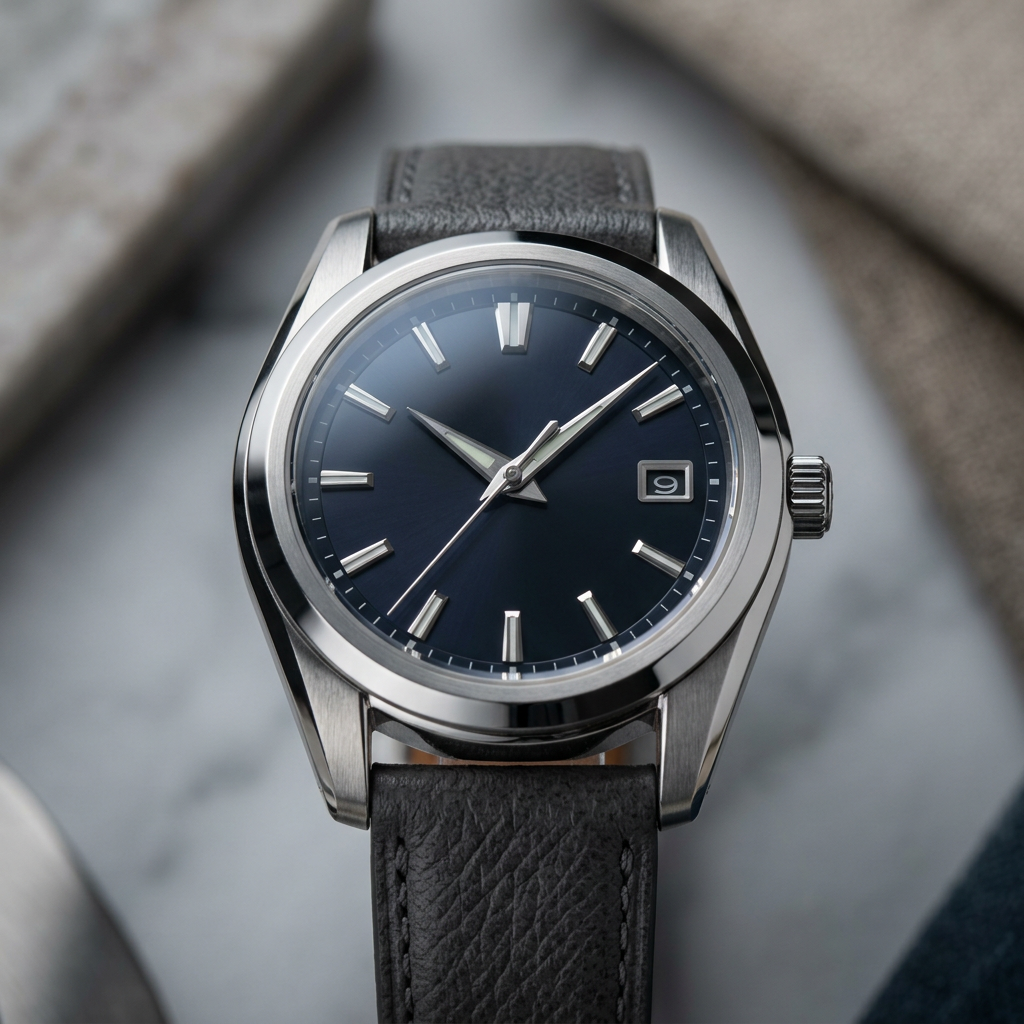
Image Recognition and Visual Search
AI doesn't just read text; multimodal models like GPT-4o and Gemini 1.5 Pro "see" your product images. The visual data must match the textual data perfectly. If your product title says "Emerald Green" but the image shows a teal hue, the AI's confidence score drops. This is where precision in your media gallery becomes a competitive advantage.
Image Metadata as a Signal
Alt text is no longer just for accessibility; it is a primary data source for visual ai search product recommendations. A detailed description of an image helps the AI verify the contents of the page. Merchants can use the Free Shopify Alt Text Generator to create keyword-aware descriptions that bridge the gap between human accessibility and AI understanding.
Formatting for Multimodal AI
- Contextual Backgrounds: Use lifestyle images that show the product in the intended environment, helping AI determine usage context.
- Close-up Textures: High-resolution shots Allow AI to verify material quality (e.g., grain in leather, weave in fabric).
- Standardized Ratios: Maintain consistent 1:1 or 4:5 ratios to ensure the AI's focal point remains on the product during its visual scan.
Conclusion: The Future of Curation
Securing visibility in AI search is an exercise in technical clarity and semantic depth. By aligning your Shopify store's metadata and descriptions with the synthesis patterns of LLMs, you move from being a hidden link to a cited authority. Success in 2026 belongs to the merchants who treat their product data as a conversation, not just a catalog.
Audit your store's readiness today with the Free Shopify Store SEO Checker to see where your data stands.
Frequently Asked Questions
How does Perplexity decide which Shopify products to cite?
Perplexity utilizes a RAG (Retrieval-Augmented Generation) process that prioritizes product pages with high-quality structured data, verified user reviews, and clear, descriptive headers that directly answer the user's specific conversational query.
Do Shopify meta tags still matter for ChatGPT search?
Yes. While ChatGPT uses broader context, it frequently pulls from the meta title and description to generate the 'source' snippet. Keeping these under 160 characters ensures the AI doesn't truncate your value proposition.
Can AI search recommend out-of-stock products?
Generally, no. Modern AI search agents check schema 'Availability' status via real-time crawling. If your Shopify store doesn't update its JSON-LD 'Offer' status immediately, you risk being excluded from recommendations.