
Key Takeaways
- Mobile-First Performance Thresholds: High-converting Shopify stores in 2026 must maintain a Largest Contentful Paint (LCP) of under 1.2 seconds to prevent a 20% drop-off in mobile user intent.
- The Power of Proximity: Placing a one-click checkout option (Shop Pay) within the top 20% of the product detail page (PDP) increases mobile conversion rates by an average of 15-18%.
- Trust Through Transparency: Displaying exact delivery dates and calculated shipping costs on the cart page—rather than at the final checkout step—reduces cart abandonment rates by 22%.
- Data-Driven Iteration: Successful Shopify CRO requires at least 1,000 monthly conversions to achieve statistical significance in A/B testing; smaller stores should focus on heuristic analysis and user feedback loops.
The difference between a store that merely survives and one that scales lies in the efficiency of its conversion funnel. In 2026, where customer acquisition costs (CAC) continue to fluctuate, reclaiming the value of every visitor is the only sustainable path to profitability. This guide examines the mechanics of Shopify conversion rate optimization, moving beyond simple button colors toward structural and psychological refinement.
The Anatomy of a High-Converting Shopify Store
The Hierarchy of User Needs
Before implementing complex scripts or third-party apps, a merchant must ensure the foundational layers of the store are sound. Conversion optimization is a pyramid where technical stability sits at the base, followed by functional usability, and finally, persuasive design. If your site takes five seconds to load on a 5G connection, beautiful photography loses its power to convert.
Mapping the 2026 Customer Journey
The modern shopper rarely follows a linear path. They may discover a product via an influencer's link, visit the homepage, leave, and return days later via a direct search to a specific collection page. Shopify merchants must optimize for these varied entry points. Ensuring that your meta data is compelling is the first step in this journey; you can use our Free Shopify Meta Title & Description Generator to craft entries that improve click-through rates before the user even reaches your site.
Technical Foundations and Speed Benchmarks
Core Web Vitals in 2026
Speed is no longer just a ranking factor; it is a conversion factor. In the current Shopify ecosystem, the transition to Online Store 2.0 and the refinement of Liquid code have made fast stores the standard. A delay of 100 milliseconds can correlate with a 7% decrease in conversions. Merchants should audit their technical health regularly. A quick way to identify bottlenecks is through our Free Shopify Store SEO Checker, which provides a diagnostic of speed and on-page elements that impact the user experience.
Technical Specs for 2026 Shopify Themes
To maintain peak performance, adhere to the following technical constraints in your theme development and content management:
| Element | Recommended Limit / Spec | Impact on CRO |
|---|---|---|
| Image File Size | < 150 KB (WebP format) | Reduces LCP and bounce rates |
| JavaScript Weight | < 300 KB (uncompressed) | Prevents main-thread blocking |
| Font Files | 2 max (Woff2 format) | Minimizes layout shifts (CLS) |
| App Scripts | Limit to 5-7 active front-end apps | Prevents "app bloat" and script lag |
| Hero Video | < 2MB (looped, no audio) | Increases engagement without sluggishness |
Pro-Tip: Use Shopify's native
image_tagLiquid filter. It automatically generatessrcsetattributes, ensuring the browser only downloads the smallest necessary image size for the user's specific device screen.
Optimizing the Product Detail Page (PDP)

Visual Clarity and Information Density
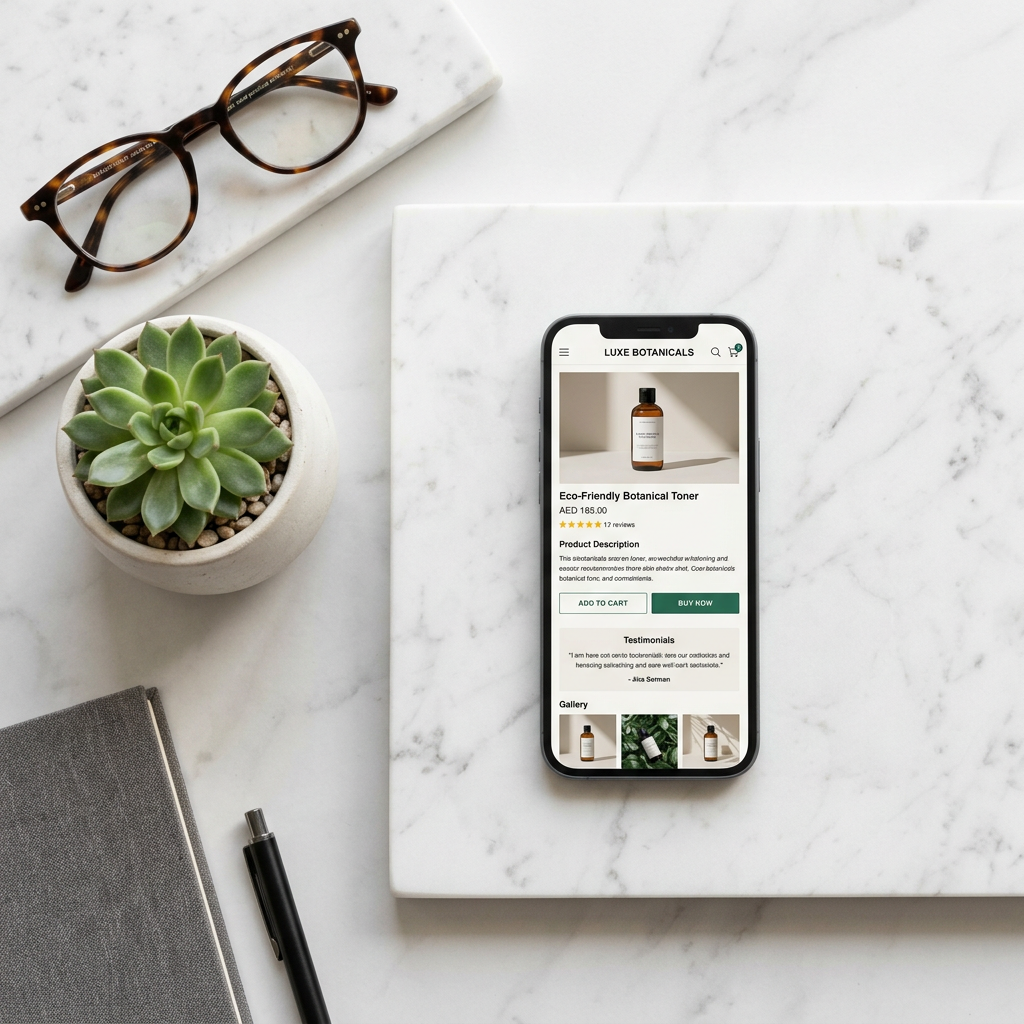
The PDP is the heart of Shopify conversion rate optimization. In 2026, video is the minimum viable product for high-ticket items. Merchants should provide at least five high-resolution images, including lifestyle shots that provide scale and macro shots that show texture. To ensure these images contribute to your store's discoverability and accessibility, use the Free Shopify Alt Text Generator to create descriptive, SEO-ready labels for every asset.
Leveraging Metafields for Rich Content
Standard product descriptions are often insufficient. Use Shopify Metafields to create structured data rows for technical specifications, materials, or care instructions. This removes friction by answering user questions within the flow of the page, rather than forcing them to hunt through an FAQ page. Well-structured descriptions are critical; if you find your copy is lackluster, the Free Shopify Product Description Generator can help generate benefit-led bullets that resonate with buyers.
Strategic Call-to-Action Placement
The "Add to Cart" button should be the most prominent element on the page, with a high-contrast color that stands out from the brand palette. In 2026, the use of "Sticky Add to Cart" bars on mobile keeps the conversion goal visible even as the user scrolls through long-form social proof or detailed reviews.
Frictionless Cart and Checkout Experiences

Reducing Decision Fatigue
Every field in a checkout form is a hurdle. By implementing Shopify Payments and enabling accelerated checkouts like Shop Pay, Apple Pay, and Google Pay, you allow users to bypass forms entirely. Data shows that stores utilizing Shop Pay see a significantly higher conversion rate among returning customers due to the saved shipping and billing information.
Shipping and Fee Transparency
Unexpected costs at checkout are the number one reason for abandoned carts. Clearly state your shipping thresholds on a header banner. To maintain your margins while offering competitive shipping, use the Free Shopify Fee Calculator to understand exactly how much each order nets you after all platform and processing fees are deducted. This allows for data-backed decisions on where to set your free shipping tiers.
| Checkout Feature | Purpose | Conversion Impact |
|---|---|---|
| Guest Checkout | Removes account creation friction | High |
| Progress Bar | Shows user where they are in the process | Medium |
| Inline Validation | Corrects address errors in real-time | High |
| Trust Badges | Signals security (PCI compliance) | Medium |
Post-Purchase and Psychological Triggers
Social Proof Beyond Reviews
While star ratings are essential, 2026 shoppers look for deeper verification. User-generated content (UGC) galleries—where real customers post photos of the product in use—bridge the trust gap. Linking these photos directly to the products shown allows for a seamless "shop the look" experience that increases average order value (AOV).
The Role of Scarcity and Urgency
Use these triggers sparingly. Countdown timers for limited-time offers are effective, but false scarcity (e.g., "Only 1 left!" on every item) erodes brand trust. Authentic urgency, such as a shipping cutoff for holiday delivery, is a far more powerful and ethical conversion tool.

Conclusion: The Iterative Loop
Shopify conversion rate optimization is not a project with a defined end date; it is a continuous cycle of observation, hypothesis, and testing. By prioritizing site speed, mobile usability, and transparent pricing, you create an environment where the transition from browser to buyer is natural and effortless. Consistently auditing your performance is the only way to stay ahead of shifting consumer behaviors.
To begin your optimization journey, use our Free Shopify Store SEO Checker to identify the immediate technical improvements that will impact your bottom line.
Frequently Asked Questions
What is a good conversion rate for a Shopify store in 2026?
While it varies by industry, a healthy Shopify conversion rate typically ranges between 2.5% and 4.5%. High-performing niche brands often see rates exceeding 5% through heavy optimization of the mobile experience.
How does site speed actually affect my conversion rate?
Site speed directly impacts user patience. In 2026, mobile users expect pages to become interactive in under 2 seconds. Every second of delay beyond that can result in a 5-10% drop in conversion as users abandon the session.
Should I use a third-party checkout app for better CRO?
Generally, no. Shopify's native checkout is one of the highest-converting in the world. Using the standard checkout (especially with Shopify Payments) ensures security, speed, and compatibility with accelerated payment methods.
How often should I A/B test my Shopify store?
You should test whenever you have enough traffic to reach statistical significance within 2-4 weeks. For most merchants, this means testing one major element (like a CTA or hero image) per month.