

Key Takeaways
- Centralized Truth: Successful multichannel scaling requires a single source of truth for inventory; manual updates across three or more channels result in a 22% higher overselling rate compared to automated syncing.
- Platform Diversification: In 2026, top-performing Shopify stores generate 40% of their revenue from secondary channels, with TikTok Shop and Amazon MCF (Multi-Channel Fulfillment) leading as primary growth drivers.
- SEO Synchronization: Marketplace algorithms favor high-velocity listings; using a Shopify product description generator to create unique, channel-specific copy prevents internal search competition while maintaining brand voice.
- Margin Protection: Diversifying channels requires a granular understanding of blended fees; use a Shopify fee calculator to ensure that marketplace commissions (typically 8-15%) do not erode net profitability.
The era of the isolated storefront has passed into history. For the modern merchant, a Shopify store acts as the heart of a circulatory system, pumping inventory, data, and brand identity to diverse digital environments. Mastering the Shopify multichannel landscape is no longer about mere presence; it is about surgical precision in execution and technological harmony.
The Architecture of Multichannel Commerce
Building a robust multichannel presence requires moving away from fragmented workflows. A merchant should view Shopify as the "brain," where product metadata, pricing logic, and inventory levels are managed, then pushed out to peripheral channels like Amazon, eBay, and social commerce platforms.
The Role of Centralized Inventory
Inventory fragmentation is the primary cause of customer dissatisfaction in 2026. When a product sells on Amazon, the Shopify stock level must reflect that change within seconds. Relying on native integrations or third-party middleware ensures that "out of stock" events are synchronized, preventing the dreaded order cancellation that damages seller ratings. High-growth brands typically maintain a safety stock buffer of 5-10% to account for latency between API calls.

Data Integrity and Metafields
Shopify’s Online Store 2.0 architecture allows for extensive use of metafields, which are essential for multichannel success. By storing marketplace-specific data—such as Amazon-specific bullet points or eBay condition notes—directly within Shopify, merchants can automate the publishing process. This prevents the manual re-entry of data that often leads to errors in technical specifications or shipping dimensions.
Optimizing for Discovery Across Channels
Each marketplace operates on a distinct search algorithm. While your Shopify store relies heavily on traditional Shopify SEO practices, marketplaces like Amazon or TikTok Shop prioritize sales velocity and keyword density differently. Tailoring your content for each environment is the difference between a stagnant listing and a bestseller.
Algorithmic Differences in 2026
Amazon’s A10 algorithm currently prioritizes external traffic and high conversion rates over raw keyword volume. Conversely, TikTok Shop favors visual engagement and influencer-linked content. Merchants must ensure their product titles are optimized for the specific character limits and formatting requirements of each destination. Use a Shopify meta description generator to draft concise, high-impact snippets that fit the strict constraints of mobile search interfaces.
Visual Assets and Alt Text
Images are the universal language of commerce. However, a hero image that works on your boutique site may be rejected by Amazon for not having a pure white background. Furthermore, accessibility is a ranking factor across all platforms. Consistently using a Shopify alt text generator ensures that every image across your multichannel network is descriptive, compliant, and indexed by search engines.
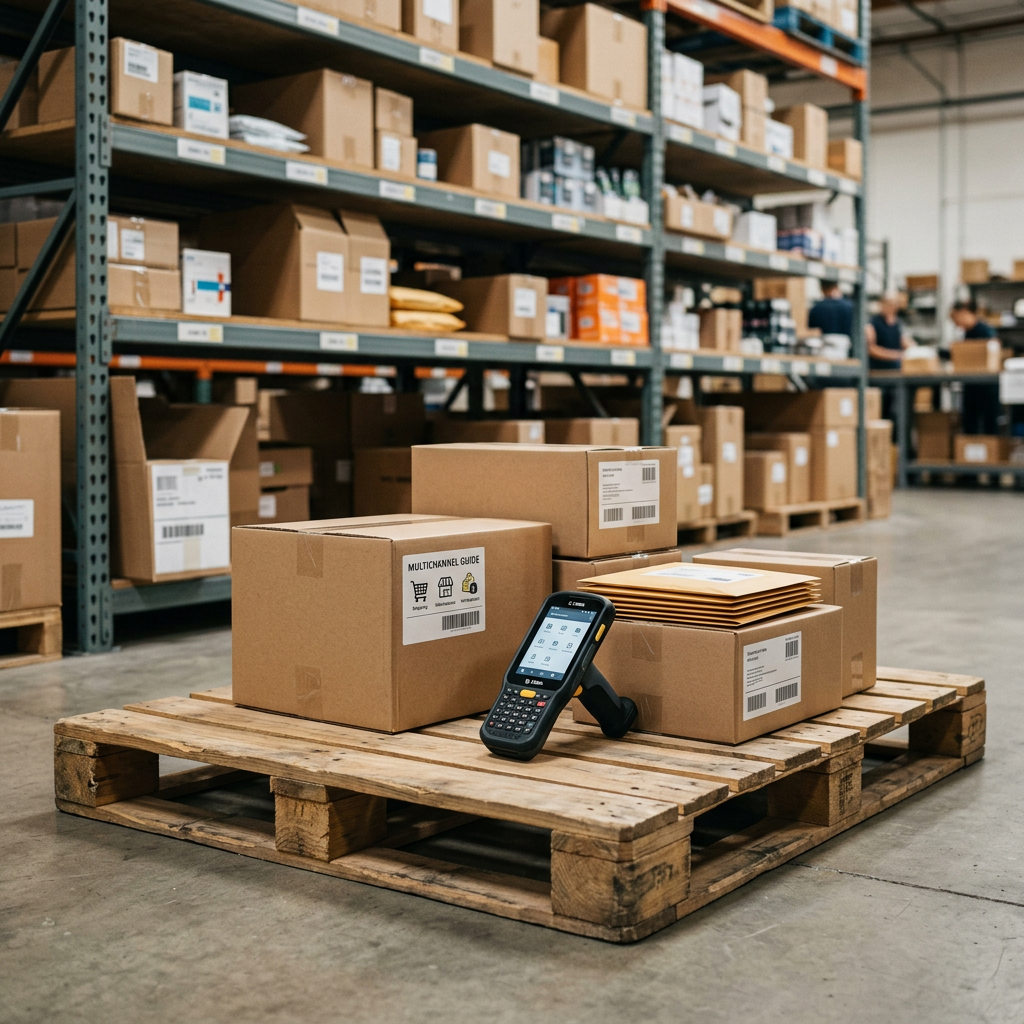
Technical Specs for 2026 Multichannel Selling
| Feature | Shopify Native | Amazon Marketplace | TikTok Shop | eBay |
|---|---|---|---|---|
| Title Limit | 70 Characters | 200 Characters | 255 Characters | 80 Characters |
| Image Limit | 250 per product | 9 per listing | 10 per listing | 12 per listing |
| Max File Size | 20 MB | 10 MB | 5 MB | 7 MB |
| Base Commission | 0% (Plan based) | 8% - 15% | 5% - 8% | 10% - 15% |
| Primary Sync | Real-time | 5-15 min latency | Real-time | 10-20 min latency |
Financial Management in a Poly-Channel World
Expanding to new channels increases top-line revenue, but it also introduces complex cost structures. Payment processing fees, referral fees, and advertising spend vary wildly between platforms. A merchant selling a $50 item on Shopify might net $42, while the same item on a marketplace might only return $33 after fees and mandatory shipping programs.
Calculating Net Profitability
To maintain a healthy business, merchants must calculate the "Contribution Margin" for each channel. This involves subtracting all variable costs—COGS, shipping, marketplace fees, and pick-and-pack labor—from the gross revenue. If a channel consistently delivers a margin below 15%, it may be time to reassess that platform's viability or adjust pricing to account for the overhead.
Pro-Tip: Implement a "Channel-Specific Pricing" strategy. Many modern Shopify apps allow you to add a percentage markup to marketplace listings automatically. This covers the referral fee, ensuring your net profit remains consistent regardless of where the customer chooses to buy.

Managing Shipping and Logistics
Multi-Channel Fulfillment (MCF) has become a cornerstone of logistics in 2026. By storing inventory in Amazon’s fulfillment centers, merchants can fulfill orders from their Shopify store, eBay, and social channels using a single pool of stock. This reduces the overhead of managing multiple warehouses and provides customers with the fast shipping speeds they have come to expect.
Technical Implementation and Tools
Setting up a Shopify multichannel system requires careful selection of tools. While Shopify provides native integrations for major platforms like Google and YouTube, more complex setups involving specialized marketplaces or international regions often require a dedicated Product Information Management (PIM) tool or an Order Management System (OMS).
Diagnostic Checks
Before pushing your product catalog to new channels, ensure your foundational SEO is sound. A listing with poor metadata on Shopify will only result in poor listings elsewhere. Running a Shopify store SEO checker can identify broken links, missing tags, or slow-loading images that could hinder your sync or trigger marketplace rejections.
Scaling with Content Clusters
To support multichannel products, merchants should build authoritative content around their core categories. This drives organic traffic to the Shopify store, where margins are highest. A Shopify blog topic generator can help identify the high-intent keywords that customers use before they search specifically on a marketplace like Amazon.

Maintaining Brand Sovereignty
The greatest risk of multichannel selling is the dilution of the brand experience. On a marketplace, you are often a line item in a list of competitors. Your Shopify store is where your brand story lives. Use marketplaces as a customer acquisition funnel, but use your packaging, insert cards, and follow-up emails (where permitted) to drive those customers back to your Shopify ecosystem for their second purchase.
Consistent Communication
Ensure that the voice used in your Shopify product descriptions matches the tone in your eBay listings and TikTok videos. While the format changes, the values and quality promises must remain identical. This consistency builds trust and encourages the customer to seek out your direct store in the future.
In the landscape of 2026, the most resilient merchants are those who operate with a diversified footprint but a centralized command. By treating Shopify as the anchor and marketplaces as the sails, you can navigate the complexities of modern commerce with both speed and stability.
Ensure your store's foundation is ready for expansion by using the ListerRank Free Shopify Store SEO Checker today.
FAQ
Q: How do I prevent overselling on multiple channels? A: Use a real-time inventory synchronization tool that links your Shopify backend to your marketplace accounts. Set a 'buffer' or 'safety stock' in your inventory settings to ensure that if your stock drops below 5 units, the item shows as out of stock on marketplaces while remaining available on your Shopify store.
Q: Does multichannel selling hurt my Shopify store's SEO? A: Not if managed correctly. Avoid using identical product descriptions across every platform to prevent duplicate content issues. Instead, use your primary site for long-form, rich content and marketplaces for punchy, keyword-optimized bullet points.
Q: Which marketplace should a Shopify merchant join first in 2026? A: For most US-based merchants, Amazon remains the primary driver of volume, but TikTok Shop currently offers the highest organic reach for lifestyle, fashion, and beauty brands due to its integrated social commerce features.
Q: How do I handle returns for multichannel orders? A: Centralize your returns through a platform that can handle different carrier labels and return policies. Ensure your Shopify admin is updated when a marketplace return is initiated to keep your financial reporting and inventory levels accurate.