
As of June 2026, Amazon returns are no longer just a cost of doing business; they are a sophisticated profit drain. While most sellers account for the initial fulfillment fee loss, the landscape of hidden amazon fba return processing fees has expanded to include tiered handling costs and disposal surcharges that rarely appear on the primary settlement dashboard.
The Anatomy of a Return: Beyond the Surface Level
When a customer clicks the return button, a sequence of financial events is triggered. Most sellers mistakenly believe that Amazon simply reverses the transaction. In reality, Amazon retains a portion of the original referral fee, usually 20% of the commission or $5.00 (whichever is less). This is known as the Refund Administration Fee.
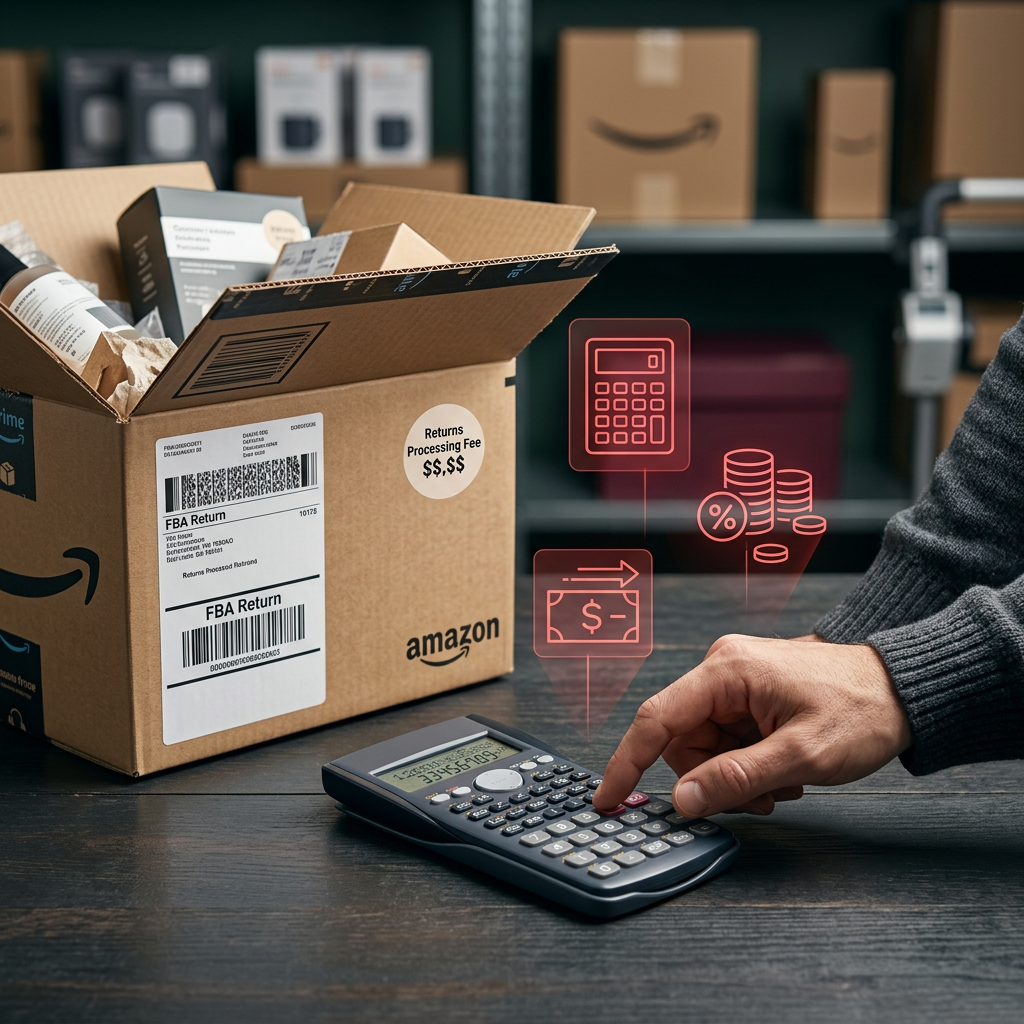
However, the real danger lies in the physical handling. If you are selling in categories like Apparel, Shoes, or Handbags, you are hit with a specific Returns Processing Fee. This fee is equal to the original fulfillment fee of the item. Since Amazon provides free return shipping to the customer in these categories, the seller bears the brunt of that logistics cost.
The 2026 Return Processing Fee Expansion
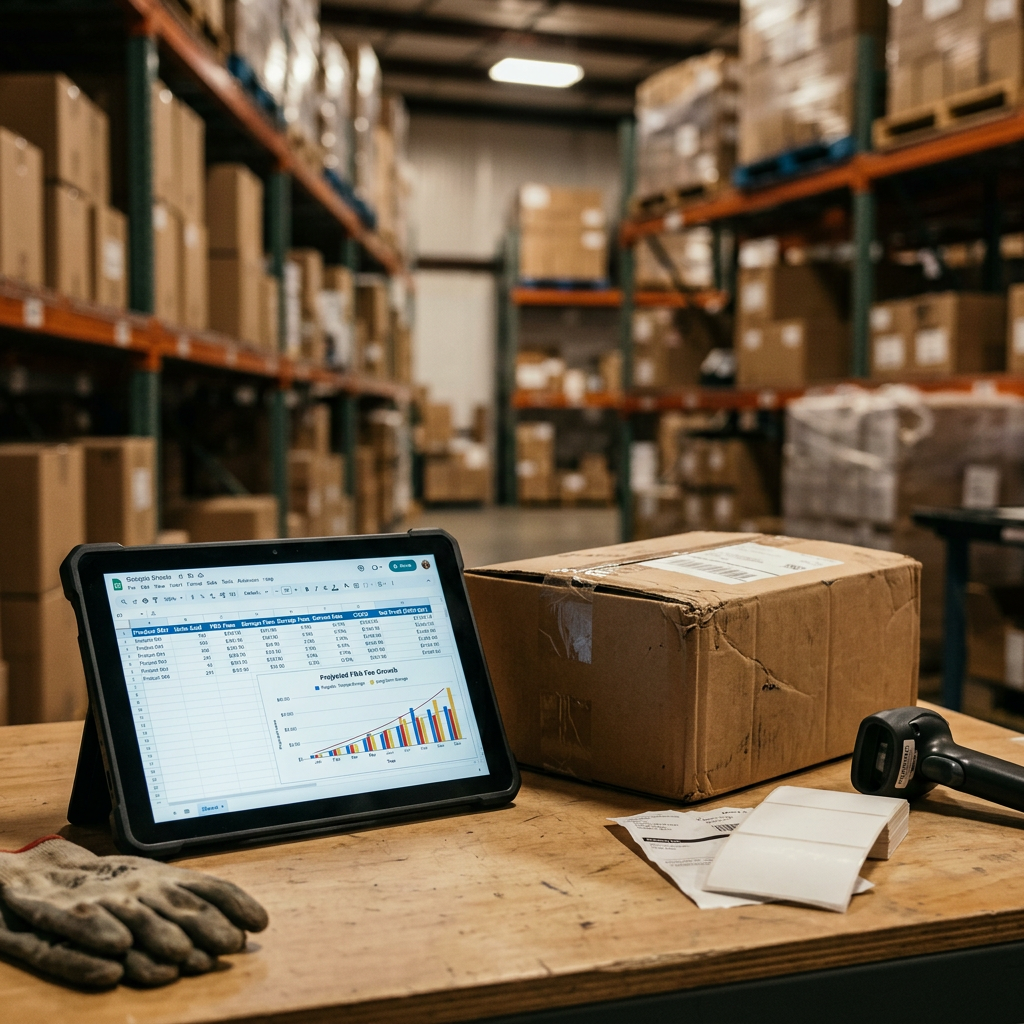
In recent updates, Amazon has tightened the rules on "high-return rate" products across all categories. If your product exceeds the return threshold for its specific niche, you may incur additional surcharges that behave like penalty fees. These are often difficult to spot unless you are using a Free Amazon Profit Margin Calculator to audit your per-unit net regularly.
The Three Hidden Pillars of Return Costs
To accurately track your bottom line, you must monitor three specific line items that are frequently bundled or obscured in monthly reports.
1. Removal and Disposal Fees
When a return arrives at the FC and is deemed "unfulfillable," it sits in your inventory consuming space. You have two choices: have it sent back to you or have Amazon destroy it. In 2026, these fees have risen significantly to account for rising labor and environmental processing costs.
2. The Repackaging and Refurbishing Surcharge
If you have opted into the FBA Repackaging Service, Amazon may attempt to fix a box or re-polybag an item to make it "New" again. While this saves the sale, it comes with a per-unit fee. If the repackaging is done poorly, it often leads to a second return and a "Used Sold as New" complaint, which is a significant risk to your account health.
3. Inventory Placement and Return Routing
With the introduction of new logistics structures, returning an item to the correct regional hub can trigger internal transport costs. Understanding how these interact with your Amazon inbound placement service fees is critical for sellers who manage high-volume, low-margin goods.
| Fee Type | 2026 Estimated Range | Impact Level |
|---|---|---|
| Refund Administration Fee | 20% of Referral Fee (max $5) | Low |
| Returns Processing Fee (Apparel) | $2.50 - $6.00+ (Size dependent) | High |
| Standard Removal Fee | $0.50 - $4.00+ (Weight dependent) | Medium |
| Disposal Fee | $0.60 - $5.00+ | Medium |
Calculating the True Impact on Margins
To see how these hidden fees erode your success, consider a standard $35 electronics accessory. If the item is returned as "Defective" (even if it isn't), you lose the original shipping cost, pay the refund admin fee, and pay a removal fee to inspect it at your own warehouse.
Tip: Always download your "Return Reports" monthly and cross-reference them with your "Disposal Orders" report. Amazon rarely notifies you when an item is automatically disposed of if you have "Auto-Disposal" enabled in your settings.
Sellers moving large volumes of small items should consult the FBA Small and Light Program 2026 guide to see if their size tier offers any protection against heavy return processing surcharges. Often, staying within a smaller tier can buffer the blow of these hidden costs.
Strategies to Mitigate Hidden Return Fees
Reducing returns is the only way to truly eliminate these fees. Since you cannot control Amazon's fee structure, you must control the customer experience.
Optimization for Clarity
High return rates are often caused by a mismatch between expectation and reality. Utilizing 50+ Amazon A Plus Content Examples for 2026 can help you set better visual expectations. If a customer understands exactly what they are buying, the likelihood of a "performance not met" return drops by as much as 25%.
Accurate Cost Estimation
Before launching a product, use a Free Amazon FBA Calculator to model a 10% versus a 20% return rate. If your margins disappear at a 15% return rate, the product is too risky for current FBA fee structures.
The Role of Listing Health in Returns
Surprisingly, SEO and listing integrity play a massive role in hidden fees. If your listing is targeted by competitors, a common tactic is a "return bomb" where fake buyers purchase and return items to trigger high-return rate surcharges. Monitoring for Amazon listing hijacking SEO recovery is essential to protect your account from these malicious fee triggers.
Storage Fees and Returns
Returned items that stay in "Unsellable" status still incur storage costs. Since 2026 storage rates change based on the time of year, leaving returns in the warehouse during Q4 can be five times more expensive than in Q1. Use the Free Amazon Storage Fee Calculator to determine if it's cheaper to destroy the inventory immediately or pay for the removal order shipping.
Conclusion
Mastering hidden amazon fba return processing fees requires a shift from passive observation to active auditing. By tracking removal, disposal, and refund administration costs alongside your primary fulfillment fees, you can identify which SKUs are genuine profit drivers and which are liabilities.
Audit your latest settlement report today and use the ListerRank Free Amazon Profit Margin Calculator to see your true take-home pay.
Frequently Asked Questions
What is the Amazon Refund Administration Fee in 2026?
Amazon charges a fee to process a refund, which is the lesser of $5.00 or 20% of the original referral fee associated with the transaction.
Why am I being charged a Returns Processing Fee for non-apparel items?
While typically for Apparel and Shoes, in 2026, Amazon may apply surcharges to products with return rates that significantly exceed the category average to cover increased logistics costs.
Is it cheaper to dispose of or remove a returned item from FBA?
It depends on the weight and your location. Disposal is often slightly cheaper but results in a total loss of the asset, whereas removal allows for inspection and potential resale on other channels.
How can I avoid the 2026 high-return rate surcharge?
Ensure your product descriptions and A+ content are highly accurate, and monitor your Voice of the Customer (VOC) dashboard to address recurring complaints before they trigger a fee increase.