
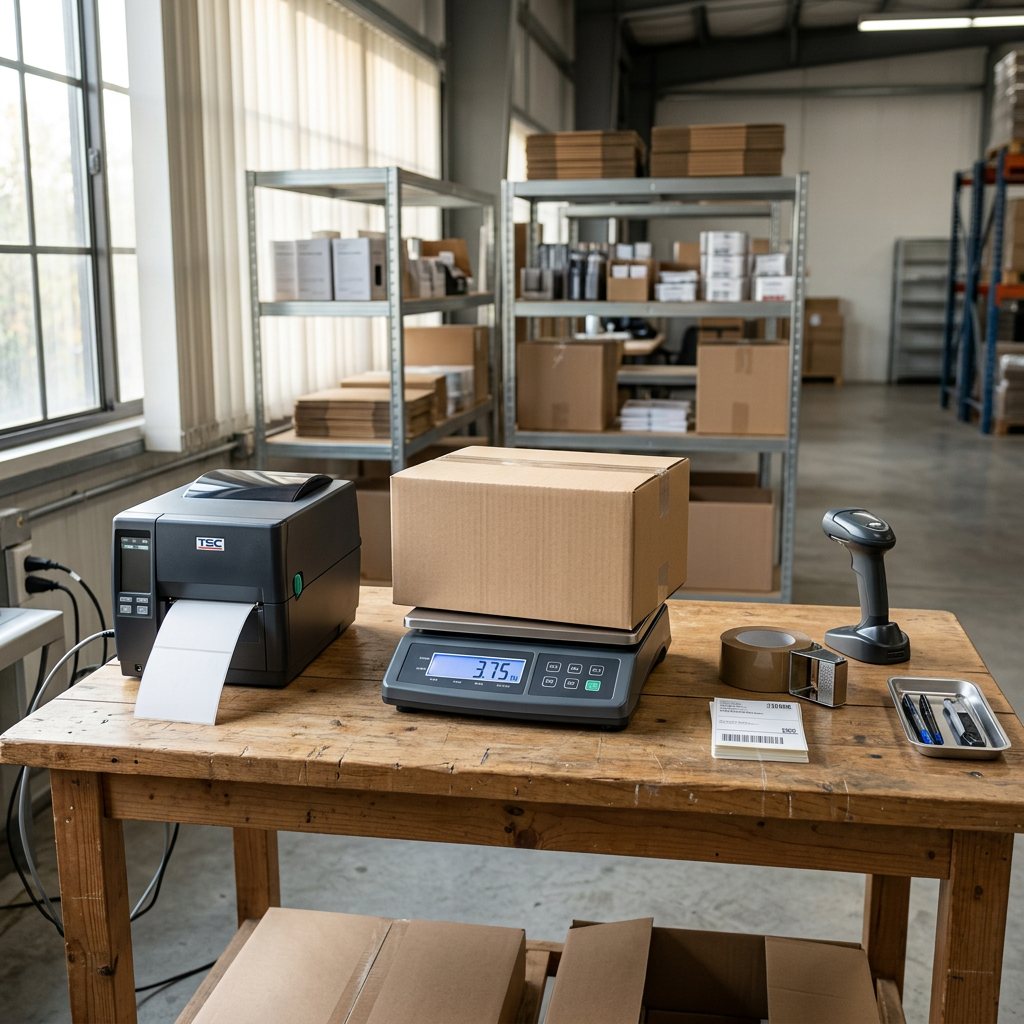
Mastering the logistics of the domestic leg is the most critical hurdle for sellers participating in the eBay International Shipping (eIS) program. As of June 2026, failing to meet specific shipping to ebay international hub requirements leads to immediate processing delays, repackaging fees, or the permanent cancellation of international orders.
Understanding the Domestic Leg Logistics
When you sell an item internationally via eIS, your legal responsibility for delivery ends the moment the package is scanned at the domestic shipping hub. However, this protection only applies if the arrival package matches eBay’s digital manifest perfectly. Sellers are essentially shipping a domestic parcel that must withstand the scrutiny of a high-speed sorting facility before it is cleared for its cross-border journey.
The Role of the Domestic Tracking Number
Your primary goal is to get the package to the hub—usually located in Glendale Heights, IL, or Erlanger, KY—using a standard domestic carrier. Once the hub receives the item, eBay takes over the international logistics, customs documentation, and last-mile delivery. Because the risk of loss shifts to the marketplace at this point, the hub personnel are extremely strict regarding package integrity.
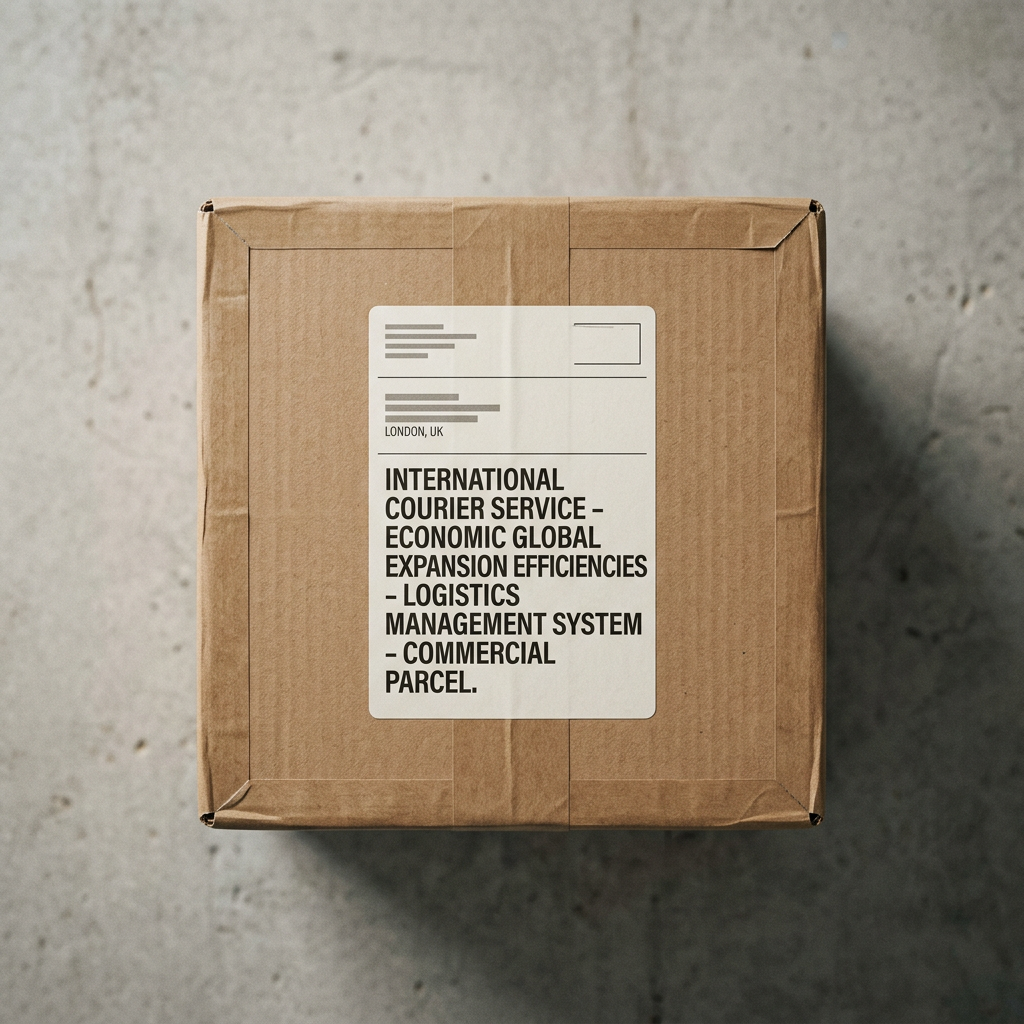
Essential Labeling Requirements for 2026
In 2026, the labeling process is more automated than ever. The eBay international hub uses optical character recognition (OCR) to match your domestic tracking number with the buyer’s international destination. Any obstruction on the label can result in a "return to sender" status.
- The Virtual Reference Number (VRN): Every shipping label printed through eBay for an international order automatically includes a VRN (e.g., eIS:12345ABC). Never obscure this code. It is the only way the hub identifies the final destination.
- Single Label Placement: Only one shipping label should be visible on the exterior. If you are reusing a box, you must completely remove or black out old barcodes and addresses.
- No International Addresses: Your domestic label should only show the address of the US hub. Do not write the buyer's Japanese or German address on the box. This confuses the domestic sorting machines.
Before you print your label, ensure your margins are protected. Using a free eBay title generator can help ensure your listings attract the right international buyers, but the transaction only stays profitable if you don't face surcharges for labeling errors at the hub.
Packaging Standards for International Transit
While you are only shipping to a domestic hub, your packaging must be robust enough to survive another 3,000 to 8,000 miles of travel. Hub employees will inspect the package; if they deem it unfit for international flight or sea freight, they may repackage it at your expense or decline the shipment.
Material Selection
Avoid using thin poly mailers for items over two pounds. In the 2026 shipping environment, high-velocity sorting belts can easily snag and tear lightweight plastics.
| Package Type | Recommended Use | Requirement |
|---|---|---|
| Corrugated Box | Electronics, Heavy Goods | Double-wall for items > 20 lbs |
| Padded Envelope | Jewelry, Small Media | Must have 1/2 inch of interior cushioning |
| Custom Crates | High-value Art | Must be heat-treated (ISPM 15) |
Tip: Always include a packing slip inside the box. If the exterior label is damaged during the domestic leg, the hub staff can open the box to find the VRN on your packing slip and keep the order moving.
Prohibited Items and Hub Rejections
Before the package even reaches the hub, you must ensure the contents are eligible. Even if eBay’s system allows the sale, hub inspectors will manually pull items that violate current 2026 regulations. For an exhaustive list of what cannot be sent, refer to the eBay International Shipping Prohibited Items List 2026.
Commonly rejected items include:
- Lithium batteries not installed in devices.
- Pressurized canisters (aerosols).
- Liquids over 3.4 oz without secondary leak-proof seals.
- Perishable goods with an expiration date under 90 days.

Weight and Dimension Limits
Overestimating your package size is a common way to lose money on international sales. In 2026, most eIS destinations have a weight limit of 66 lbs (30 kg) and a maximum length of 108 inches (combined length and girth).
If your item exceeds these dimensions when it arrives at the hub, it will be flagged. To avoid these discrepancies, use the free eBay shipping fee calculator to gauge the difference between your estimated domestic costs and what the hub might charge for the final leg if dimensions are inaccurate. Accurate data prevents the "dimensional weight" surprises that can eat into your margins.
Managing Returns and Claims from the Hub
One of the biggest advantages of the current program is that eBay handles most international returns. If a buyer claims an item was damaged, eBay typically covers the cost, provided you met the shipping to ebay international hub requirements with your initial packaging.
You can read more about how these protections differ from the old GSP in our guide on eBay International Shipping vs Global Shipping (2026). If you have optimized your eBay returns policy for SEO, you still benefit from the 2026 policy that shields sellers from the high cost of cross-border reverse logistics.
Calculating Profitability for Hub Shipments
International sales involve different fee structures than domestic orders. When shipping to the hub, eBay collects the international shipping fee directly from the buyer, but you are still responsible for your domestic shipping cost and the final value fee on the total transaction price.
To see the exact breakdown of your take-home pay, especially with the 2026 fee updates, use a free eBay final value fee calculator. Comparing this with other platforms is also useful; for instance, the eBay vs Etsy SEO and fee structure shows significant differences in how international logistics impact your bottom line.
Conclusion
Successful global expansion on eBay in 2026 depends entirely on your ability to satisfy the domestic hub's intake requirements. By using sturdy materials, clear labeling with visible VRNs, and verifying item eligibility before shipping, you protect your seller metrics and ensure a seamless experience for your global customers.
Check your potential earnings today using the ListerRank free eBay profit calculator.
Frequently Asked Questions
What happens if I forget to include the VRN on my shipping label?
The VRN is the digital link between your package and the buyer. If it is missing, the hub may be unable to identify the order, leading to the package being disposed of or returned to you at your expense.
Can I use my own boxes for shipping to the eBay international hub?
Yes, you can use any sturdy corrugated box. However, you must ensure all previous shipping labels, barcodes, and 'hazardous material' stickers are completely removed to prevent sorting errors.
Does eBay International Shipping (eIS) have a weight limit in 2026?
Yes. While limits vary by country, most eIS shipments are capped at 66 lbs. Items exceeding 108 inches in combined length and girth are also typically ineligible for the program.
What should I do if the hub says my item is restricted but I already shipped it?
If the hub identifies a restricted item, they will usually notify you and the buyer. In most cases, eBay will refund the buyer and you get to keep the sale proceeds, though the item will not be returned to you.