
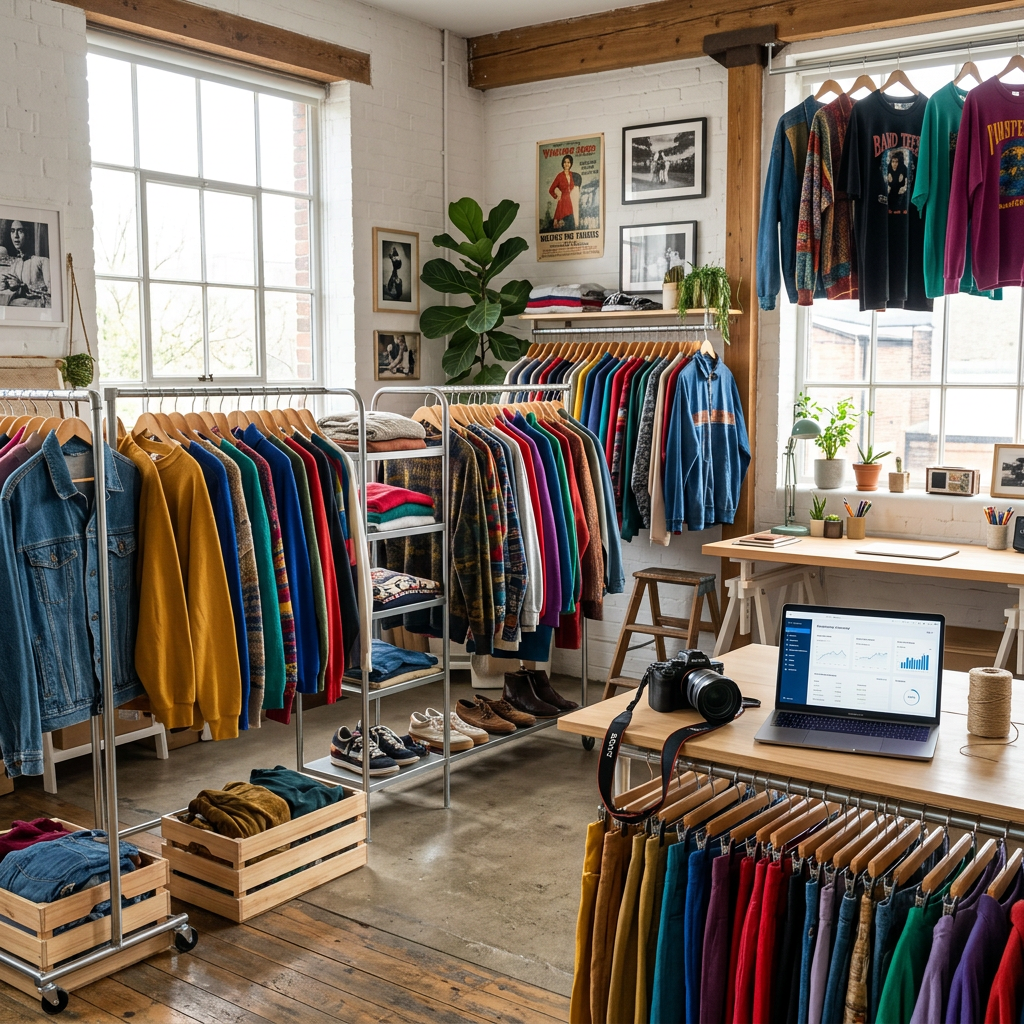
The global resale market has shifted from a niche hobby to a dominant retail sector, with vintage apparel leading the charge into mid-2026. Success on Etsy no longer relies on luck; it requires a systematic approach to inventory acquisition and algorithmic visibility. To compete with the influx of professional resellers, your shop must function as a curated boutique backed by data-driven logistics.
Identifying High-Demand Vintage Niches
Vintage is defined by Etsy as items at least 20 years old, meaning as of June 2026, anything produced in 2006 or earlier qualifies. However, not all eras sell equally. Current trends show a massive surge in 'Indie Sleaze' (mid-2000s) and 'Utility Chic' (90s workwear). Understanding these shifts is the first step in learning how to sell vintage clothes on Etsy without sitting on dead stock.
The 2026 Trend Landscape
- Y2K Athletics: Track jackets and oversized mesh jerseys from the early 2000s.
- Heritage Workwear: Carhartt, Dickies, and LL Bean pieces from the 80s and 90s with visible wear.
- Granola Girl Aesthetic: 70s earth tones, corduroy, and vintage outdoor gear.
Before launching, use the Free Etsy Shop Name Generator to create a brand identity that reflects your specific era or aesthetic. A cohesive brand helps justify premium pricing for curated collections.
Sourcing Strategies for Scalability
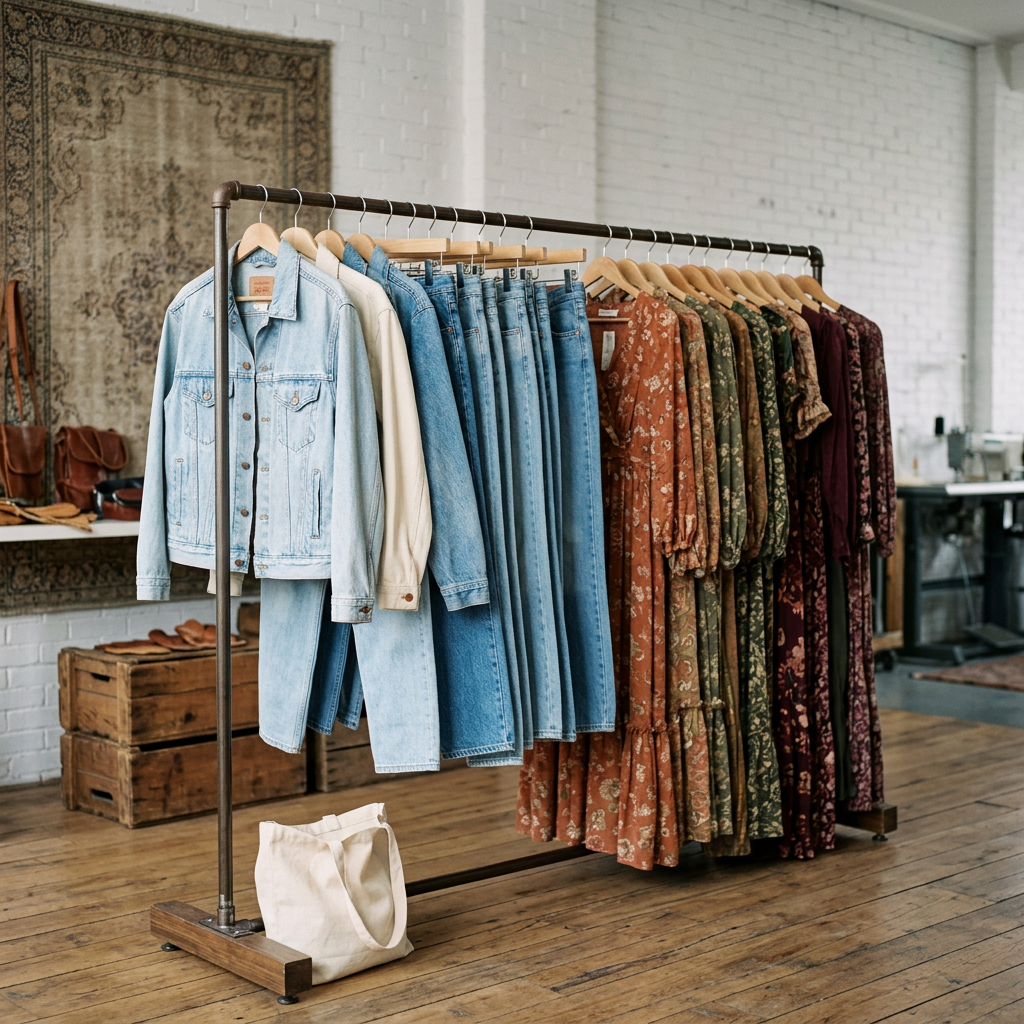
To move beyond the local thrift store, you must diversify your sourcing channels. Relying solely on Goodwill or Salvation Army in 2026 is risky due to increased competition and rising floor prices. Professional sellers now utilize wholesale rag houses and online auctions.
Where to Source in 2026
- Estate Sales: Use apps like EstateSales.net to find older wardrobes before they reach the thrift ecosystem.
- Rag Houses: Purchase by the bale (typically 100-1000 lbs). While the quality varies, the price per item drops significantly.
- Buy-Sell-Trade Apps: Scour Depop or Vinted for mispriced items that fit your Etsy aesthetic.
| Sourcing Method | Margin Potential | Time Intensity | Risk Level |
|---|---|---|---|
| Individual Thrifting | High | Very High | Low |
| Wholesale Bales | Medium | Low | High |
| Estate Sales | Very High | Medium | Medium |
| Online Arbitrage | Low | Medium | Low |
Optimizing Listings for the 2026 Etsy Algorithm
Visibility on Etsy is a combination of accurate tagging and high-conversion photography. In 2026, the algorithm heavily weights "Listing Quality Score," which is influenced by how well your attributes match buyer search intent. Understanding Etsy attributes vs tags is essential for doubling your shop's visibility in crowded categories like vintage outerwear.
Mastering Vintage Keywords
Generic titles like "Vintage Blue Shirt" will not surface in 2026. You need to include the era, material, fit, and specific style. Use the Free Etsy Title Generator to front-load your most important keywords, such as "Vintage 1990s Single Stitch Graphic Tee."
Tip: Always include the garment's measurements in the description. Sizing has changed drastically over the decades, and providing pit-to-pit and length measurements reduces return rates by 40%.

Photography and Presentation Standards
Buyers in 2026 expect a digital boutique experience. Flat lays are still functional for basics, but high-ticket vintage items sell best on a model or a professional dress form. Ensure your first image is a clear, full-body shot against a non-distracting background.
- Macro Details: Capture the grain of the fabric, the brand tag, and the care label.
- Transparency: Use a high-contrast photo to highlight any flaws, stains, or pinholes. This builds trust and prevents disputes.
- Video: A 15-second clip showing the garment's movement is now a standard requirement for high-conversion listings.
Pricing and Profitability Models
Vintage pricing is subjective, but your business must be grounded in objective math. When calculating your list price, you must account for the cost of goods sold (COGS), cleaning supplies, storage, and Etsy's fee structure. To ensure you are meeting your profit goals, run your numbers through a Free Etsy Fee Calculator before finalizing your pricing strategy.
The Vintage Pricing Formula
(Cost of Item + Cleaning + Labor) / (1 - Desired Margin) + Etsy Fees = List Price
If you find your shop's growth has plateaued, you may need a 2026 traffic recovery plan to re-engage the algorithm through strategic price adjustments or renewed keyword research.
Shipping and Sustainable Packaging
Vintage buyers are often environmentally conscious. Use recycled poly-mailers or compostable packaging to align with your audience's values. For high-value items, always require a signature and include insurance in the shipping cost.
- Standardize sizes: Use a few consistent box and mailer sizes to streamline your shipping workstation.
- Internal Branding: Include a thank-you note or a small branded sticker to encourage repeat business. Learning how to build a brand on Etsy is what separates hobbyists from professional storefronts.
Driving External Traffic to Your Shop
In 2026, Etsy internal search is only half the battle. Successful vintage sellers leverage short-form video to showcase their "finds" and "packing orders" behind-the-scenes content. By tapping into Etsy external traffic sources via TikTok Shop, you can capture a younger demographic that primarily discovers products through social feeds rather than search bars.
Conclusion
Scaling a vintage shop on Etsy requires a balance of curatorial intuition and technical SEO. By diversifying your sourcing, optimizing your data for the 2026 algorithm, and maintaining strict quality standards, you can build a sustainable and profitable business in the circular economy. Success is found in the details—from the specific tags you select to the way you present the history of each garment.
Start refining your search strategy today by using Free Etsy Keyword Research to find out exactly what vintage buyers are looking for this season.
Frequently Asked Questions
What qualifies as 'vintage' on Etsy in 2026?
To be sold in the vintage category on Etsy, an item must be at least 20 years old. As of 2026, this includes items manufactured in 2006 or earlier.
How do I handle flaws in vintage clothing?
Total transparency is key. List every flaw in the description and take clear, close-up photos of them. Many buyers are willing to purchase flawed items if they are priced accordingly and disclosed.
Should I wash vintage clothes before selling?
Generally, yes. Most items should be laundered or dry-cleaned to remove odors and dust. However, for deadstock items with original tags or very delicate antique pieces, you may choose to sell them 'as is' to preserve their condition.
How often should I list new items?
Consistency is favored by the Etsy algorithm. Listing 3-5 items daily is often more effective than listing 30 items once a week, as it keeps your shop active in search results.