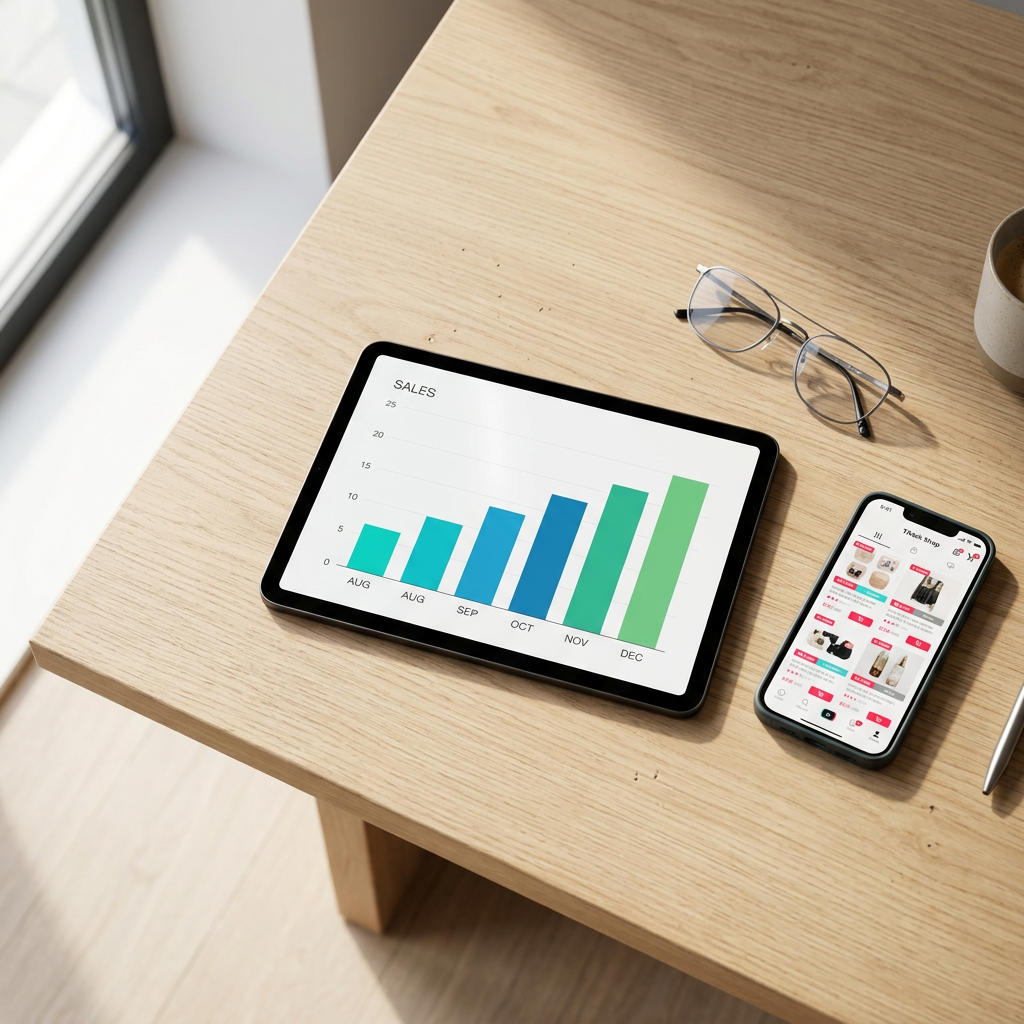
Scaling a brand on TikTok Shop in 2026 requires a shift from tracking vanity metrics to mastering unit economics. While Gross Merchandise Value (GMV) looks impressive on a dashboard, true success is defined by the net profit remaining after commissions, sample costs, and platform fees are deducted. Understanding how to calculate TikTok Shop affiliate ROI is the only way to ensure your creator program is an asset rather than a drain on capital.
The Fundamental Formula for TikTok Affiliate ROI
To accurately calculate the return on investment for your affiliate program, you must move beyond simple ad-spend logic. Unlike traditional PPC, affiliate marketing involves variable costs (commissions) and fixed upfront costs (samples and shipping).
Use this primary formula to determine your ROI:
ROI = [(Net Revenue - Total COGS - Affiliate Commissions - Sample Costs - Platform Fees) / (Sample Costs + Shipping Costs + Outreach Labor)] x 100
Breaking Down the Variables
- Net Revenue: The total sales value after returns and cancellations.
- Affiliate Commissions: The percentage paid to creators (Open, Targeted, or Storewide plans).
- Sample Costs: The landed cost of the product sent to the creator.
- Platform Fees: TikTok’s current 2026 referral and transaction fees.
Tip: Always use a Free TikTok Shop Affiliate Commission Calculator before setting your rates to ensure your margins can withstand a high-volume creator picking up your product.
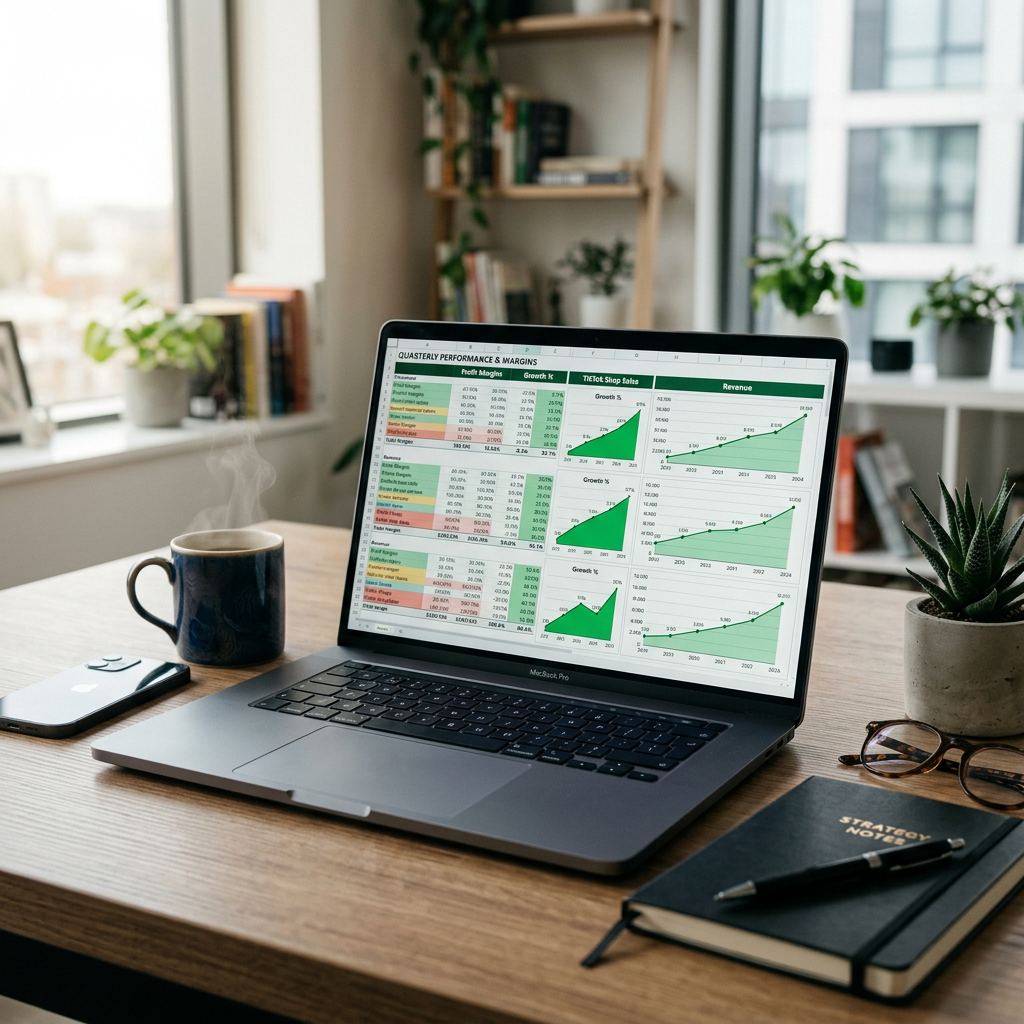
Hidden Costs Often Overlooked in 2026
Many sellers fail to realize a positive ROI because they neglect "invisible" expenses. In 2026, the competition for high-tier creators is fierce, leading many brands to overspend on samples without a tracking mechanism.
Sample Management and Logistics
If you send 100 samples and only 20 creators post videos, your "Sample ROI" is heavily diluted. A robust TikTok Shop sample management strategy is essential to minimize waste. You must account for the shipping cost of these samples, which often rivals the cost of the product itself.
Platform Fee Volatility
TikTok Shop fees have stabilized in 2026, but they still represent a significant portion of the transaction. You must differentiate between the base referral fee and additional processing fees. To get an exact breakdown of what actually hits your bank account, use the Free TikTok Shop Commission Calculator to see the net payout per unit.
Comparing ROI: Open Plan vs. Targeted Plan
Your ROI will fluctuate based on the affiliate structure you choose. The TikTok Shop targeted plan vs open plan debate usually comes down to volume versus margin.
| Feature | Open Plan | Targeted Plan |
|---|---|---|
| Control | Low (Anyone can promote) | High (Vetted creators only) |
| Commission Rate | Usually Lower (10-15%) | Usually Higher (20-30%) |
| Sample ROI | Higher risk of no-posts | Lower risk (Contractual) |
| Scalability | High (Viral potential) | Moderate (Predictable) |
The Role of Creator Quality in ROI Calculations
Not all creators are created equal. A creator with 1 million followers might have a lower ROI than a micro-influencer with 50,000 highly engaged followers. When finding high-converting TikTok creators, the most critical metric for ROI is the Attributed Revenue per Video.
If a creator requires a $50 sample and a 20% commission, and generates $1,000 in sales, the ROI is significantly higher than a "celebrity" creator who demands a $500 flat fee plus commission but only generates $2,000 in sales.
Managing Risk and Protecting Your Margins
ROI can be decimated by policy violations. If your shop receives TikTok Shop affiliate violation points, your visibility decreases, and your cost per acquisition rises. Maintaining a clean record is a prerequisite for long-term ROI.
Leveraging Automation for Efficiency
Labor is an often-forgotten cost in the ROI equation. Spending 40 hours a week manually DMing creators is expensive. Implementing a TikTok Shop affiliate automated outreach strategy allows you to scale the number of creators promoting your products without increasing your overhead, directly boosting your net ROI.
Content Optimization to Support Affiliates
An affiliate video only converts if the product landing page is optimized. You can support your creators—and thus your ROI—by ensuring your listings are sharp. Use the Free TikTok Shop Description Generator to create high-converting copy that closes the sale once the creator brings the traffic.
Advanced ROI Tracking: Livestreams and MCNs
In 2026, many sellers are moving toward TikTok Shop livestream agency partnerships. These Multi-Channel Networks (MCNs) often take an additional cut of the revenue. When calculating ROI for MCN deals, you must treat the agency fee as a separate line item. While these partnerships can drive massive volume, the tighter margins require daily monitoring to ensure the ROI remains above your break-even point.
Conclusion
Calculating TikTok Shop affiliate ROI is a continuous process of auditing sample costs, monitoring creator performance, and adjusting commission structures. By focusing on net profit rather than top-line revenue, sellers can build a sustainable, scalable presence on the platform.
Check your potential margins today using the Free TikTok Shop Affiliate Commission Calculator.
Frequently Asked Questions
What is a good ROI for TikTok Shop affiliates in 2026?
A healthy ROI typically ranges between 3:1 and 5:1 (300% to 500%). This accounts for a 20% commission, 30% COGS, and 10% in platform fees/shipping, leaving a 40% gross margin.
Should I include the cost of free samples in my ROI calculation?
Yes. Sample costs, including the landed cost of the item and the shipping fee to the creator, must be factored into your 'Total Investment' to get an accurate ROI figure.
How do TikTok platform fees affect my affiliate ROI?
TikTok's referral fees (which vary by category) are deducted from the gross sale before you receive your payout. If you don't account for these, you will overestimate your net profit by 6-10%.
Does the ROI change between the Creator Marketplace and the Affiliate Center?
The Affiliate Center usually offers better ROI for scale because it relies on pure commission. The Creator Marketplace often involves upfront 'collab fees,' which increase your initial risk.