
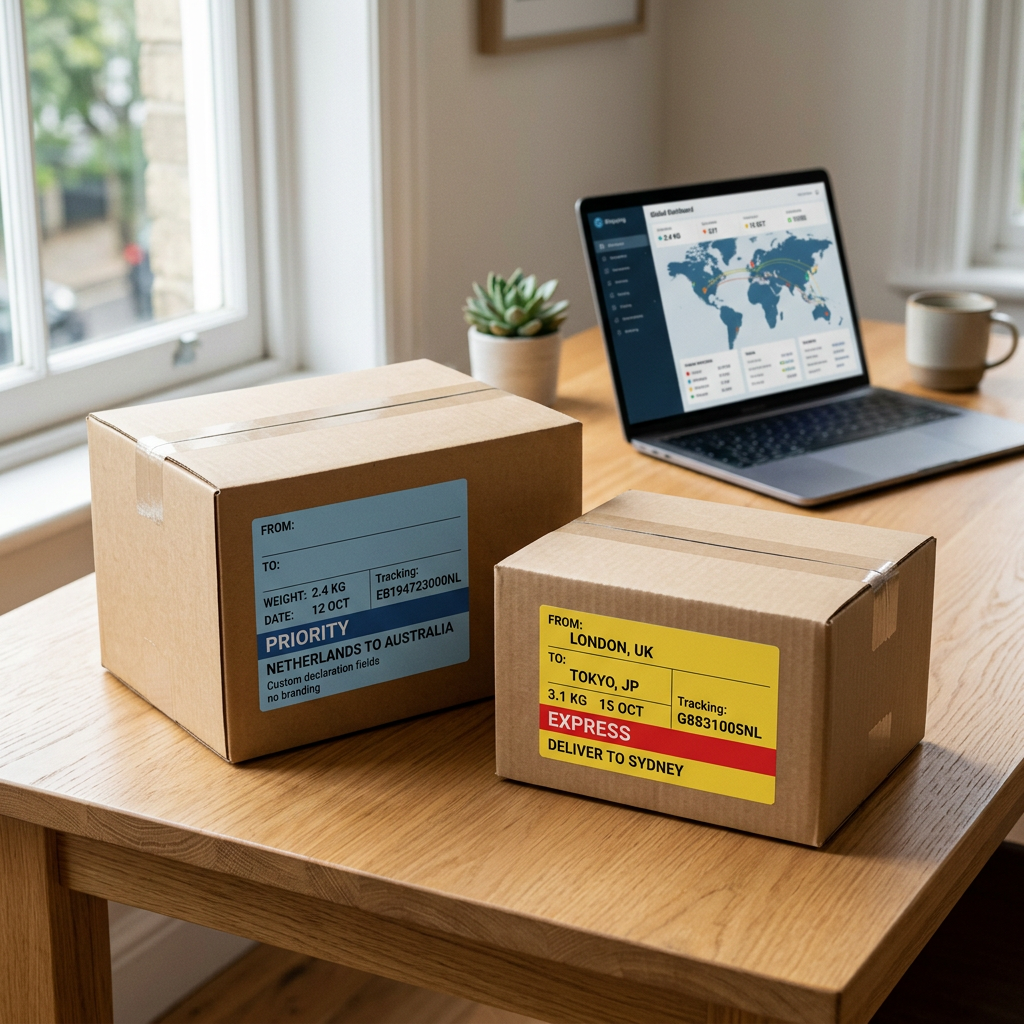
Global e-commerce in 2026 demands a balance between rapid delivery and absolute risk mitigation. Sellers often find themselves choosing between the streamlined protections of eBay International Shipping (eIS) and the logistical precision of DHL e-Commerce. Understanding how these two giants handle terminal legs and customs clearance is the difference between a 5-star review and a costly return.
The Fundamental Mechanics of eIS vs DHL
eBay International Shipping operates as a forwarding service. You ship domestically to an eBay hub, and eBay handles the rest, including customs forms and international transport. In contrast, DHL e-Commerce is a direct-to-consumer postal solution that leverages DHL’s global network to move parcels through specialized injection points in various regions.
Reliability and Tracking Visibility
When comparing eBay international shipping vs DHL e-commerce on tracking, DHL tends to offer more granular data points. Because DHL controls the movement from your doorstep to the international sorting center, there is no "blind spot" often associated with third-party domestic legs. However, eIS provides a unified tracking number that simplifies the buyer experience within the eBay interface. If you are struggling with listing details to reflect these options, using a free eBay description generator can help you clearly communicate shipping expectations to your global customers.
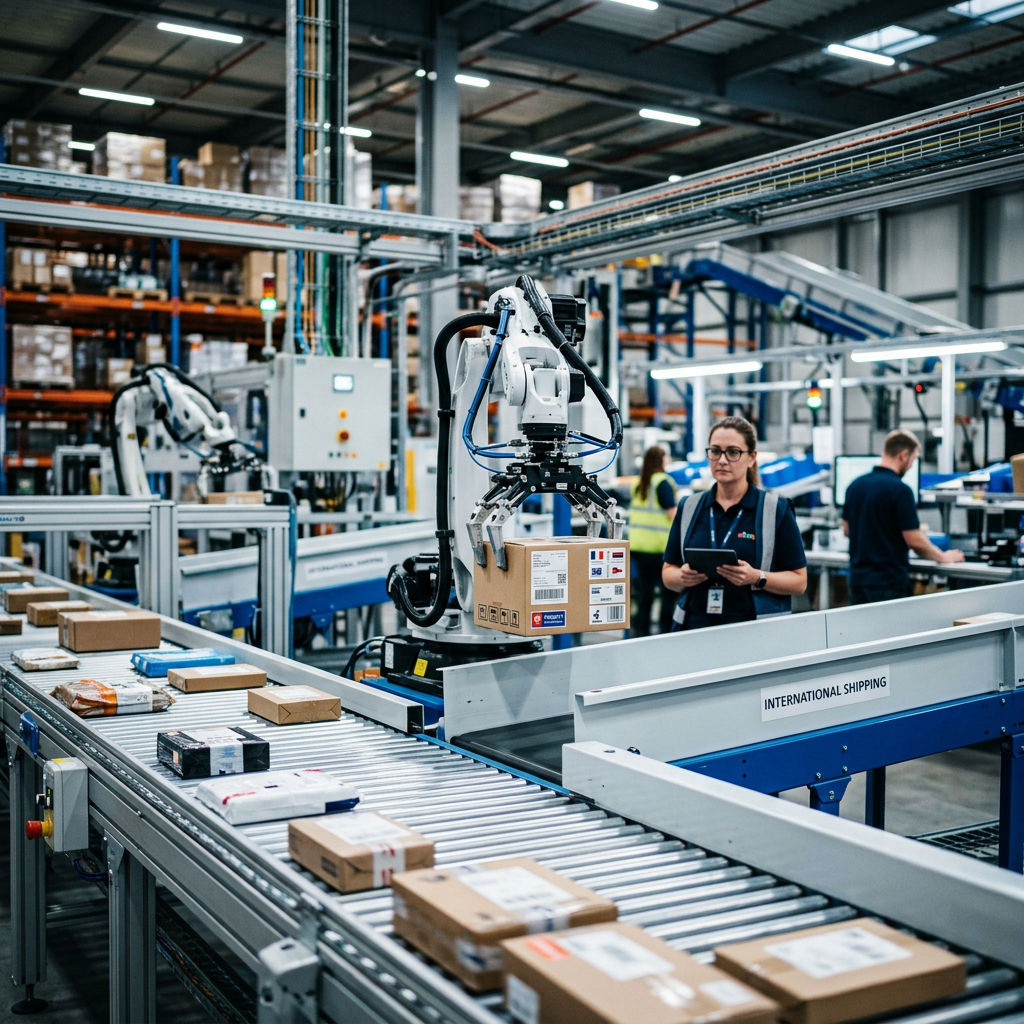
Speed Comparison: Transit Times in 2026
Speed is frequently the deciding factor for high-value orders. DHL e-Commerce typically outperforms eIS on pure transit time to Tier 1 countries like the UK, Germany, and Japan. While eIS relies on a consolidation model—where packages might sit at a domestic hub until a container is full—DHL moves packages on a daily flight schedule.
| Destination | eBay International Shipping | DHL e-Commerce (Packet Plus) |
|---|---|---|
| United Kingdom | 8-12 Business Days | 5-9 Business Days |
| Australia | 10-15 Business Days | 7-12 Business Days |
| Canada | 6-10 Business Days | 4-8 Business Days |
| European Union | 9-14 Business Days | 6-10 Business Days |
Tip: If your business model relies on fast turnaround, consider opting for DHL for your luxury items while keeping eIS for standard goods to maintain a competitive eBay pricing strategy for sellers.
Seller Protection and Liability
The most significant advantage of eBay International Shipping is the complete removal of seller liability once the item reaches the US hub. Under current 2026 policies, if an item is lost or damaged during the international leg, eBay covers the cost. Furthermore, eIS automatically handles the eBay international shipping returns policy for sellers, meaning you get to keep the sale even if the buyer initiates a change-of-mind return.
Handling Returns and Feedback
With DHL e-Commerce, the seller remains responsible for the package until it is delivered to the buyer's door. If a package is lost in transit via DHL, you must file a claim with the carrier, which can take weeks. Additionally, using eIS provides a safety net against negative reviews; eBay will often remove feedback related to shipping delays or damage occurred during the international transit leg. More details on this can be found in the eBay international shipping negative feedback removal guide.

Cost Breakdown: Fees and Hidden Charges
eIS usually simplifies the cost structure for the seller because you only pay the domestic shipping fee to get the item to the eBay hub. The buyer sees a calculated cost that includes international shipping and any applicable duties. For DHL e-Commerce, you must calculate the volumetric weight and potential fuel surcharges yourself. To ensure you aren't losing money on these calculations, use a free eBay shipping fee calculator to compare the out-of-pocket costs of various carriers.
Final Value Fees and Profitability
It is vital to remember that eBay charges its final value fee on the total amount paid by the buyer, which includes the shipping cost you set. If you use DHL and charge the buyer $40 for shipping, your fees increase accordingly. When using eIS, since the international portion is a separate transaction between the buyer and eBay, your fee is only calculated on the item price and the domestic shipping leg. You can run these scenarios through a free eBay fee calculator to see the exact margin difference.
Prohibited Items and Restrictions
Navigating customs is the primary reason many sellers avoid international trade. The eBay international shipping prohibited items list is often stricter than DHL's own list because eBay prioritizes ease of clearance over capability. If you sell specialized goods like lithium batteries or certain liquid cosmetics, DHL e-Commerce may be your only viable option, as they have the specialized infrastructure to handle dangerous goods that eIS hubs often reject.
Conclusion
In 2026, the choice between eBay International Shipping and DHL e-Commerce depends on your priority: protection or speed. If you value “shipped and forgotten” simplicity with total return protection, eIS is the industry standard. If your brand identity is built on expedited delivery and direct control over the customer's unboxing experience, DHL e-Commerce remains the superior logistical choice despite the increased administrative burden.
Optimize your international listings for maximum visibility with our free eBay title generator.
Frequently Asked Questions
Is eBay International Shipping faster than DHL in 2026?
No, DHL e-Commerce generally provides faster transit times by 2-5 days as it bypasses the domestic consolidation phase required by the eBay International Shipping hub system.
Who pays for returns with eBay International Shipping?
eBay handles and pays for international returns under the eIS program. Sellers generally keep their original payout and are protected from return shipping costs and item loss.
Does DHL e-Commerce protect against negative feedback?
No. Unlike eBay International Shipping, where eBay removes feedback for shipping delays beyond the seller's control, DHL e-Commerce shipments are subject to standard eBay feedback policies.
Which service is better for heavy items?
DHL e-Commerce often has more competitive volumetric pricing for heavier goods, whereas eIS can become prohibitively expensive for buyers as weight increases due to standardized hub processing fees.