

Choosing the right fulfillment method in 2026 is no longer a matter of convenience; it is a critical financial decision that determines your long-term viability on the marketplace. With Amazon's logistics network becoming increasingly specialized, the gap between Fulfillment by Amazon (FBA) and Fulfillment by Merchant (FBM) has widened in terms of overhead and operational complexity. Deciding between the two requires a line-by-line analysis of your product dimensions, turnover rate, and shipping capabilities.
The Fundamental Shift in 2026 Fulfillment Economics
As of June 2026, Amazon has further refined its fee tiers to incentivize high-demand, low-cube inventory. The introduction of more granular 'Aged Inventory Surcharges' and 'Inbound Placement Fees' has made FBA a more expensive game for slow-moving or bulky items. Conversely, FBM has seen a resurgence among sellers who have secured competitive rates with regional carriers or third-party logistics (3PL) providers.
For those just starting, using a Free Amazon FBA Calculator is the first step toward visualizing how these fixed and variable costs eat into your gross revenue. While FBA offers the coveted Prime badge, FBM allows for tighter control over the unboxing experience and inventory handling.
Breaking Down FBA Costs: The 'Hands-Off' Premium
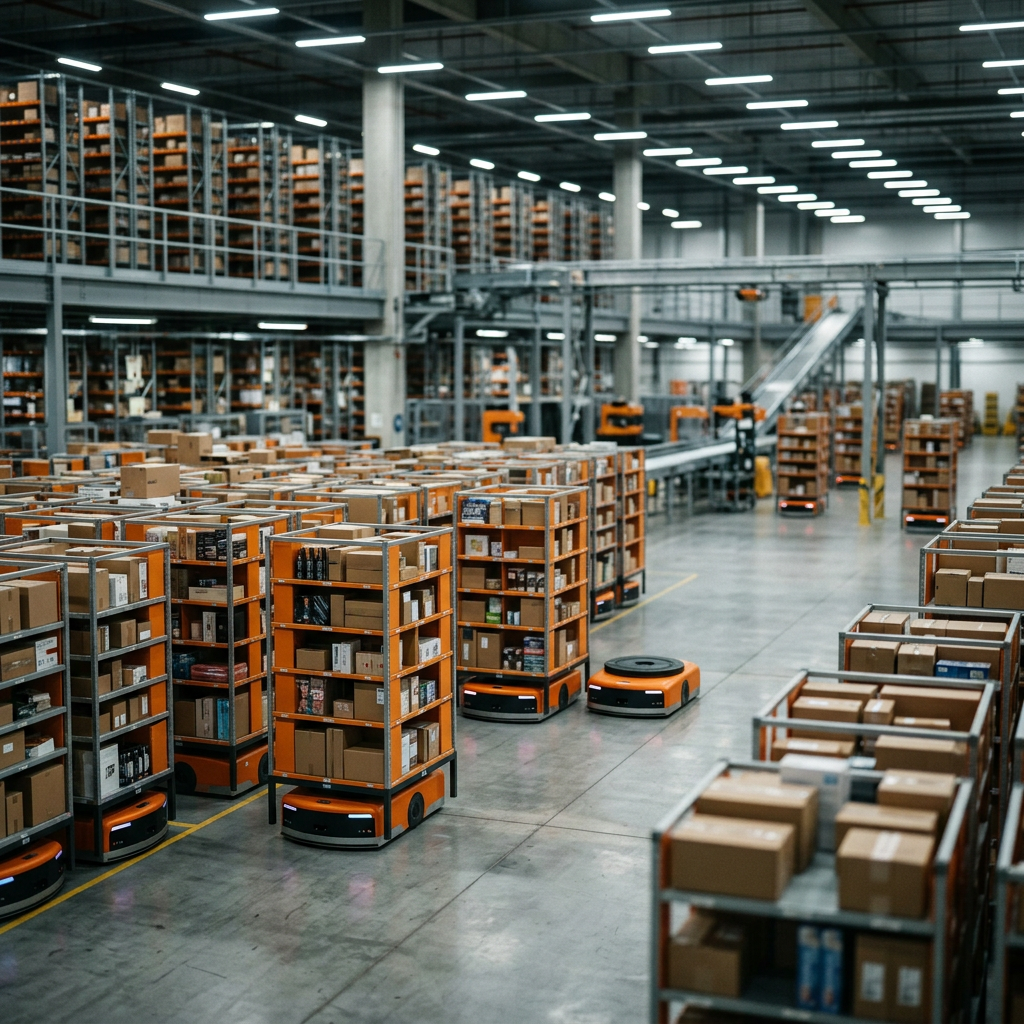
FBA is structured as a pay-as-you-go service, but the 'convenience' comes with several layers of mandatory fees. In 2026, these are categorized into fulfillment, storage, and administrative costs.
1. Fulfillment Fees
These cover picking, packing, and shipping your product. They are determined by the weight and dimensions of the packaged unit. For a standard 1lb item, you can expect to pay significantly more in FBA fees than a simple USPS Ground Advantage label, but Amazon includes the cost of customer service and returns processing in this fee.
2. Inventory Storage Fees
Storage is split into monthly fees and long-term surcharges. During the peak Q4 window (October–December), these rates triple. Many sellers utilize a Free Amazon Storage Fee Calculator to avoid the 'inventory trap' where storage costs exceed the product's profit margin.
3. Inbound Placement and Low-Inventory Fees
New for the 2025-2026 cycle, Amazon now charges for 'Inbound Placement' if you do not ship your inventory to multiple specified warehouses across the country. Additionally, maintaining a 'Low-Inventory Level' can trigger fees, as Amazon wants to ensure local Prime delivery speeds.
Calculating FBM Costs: The Self-Managed Alternative
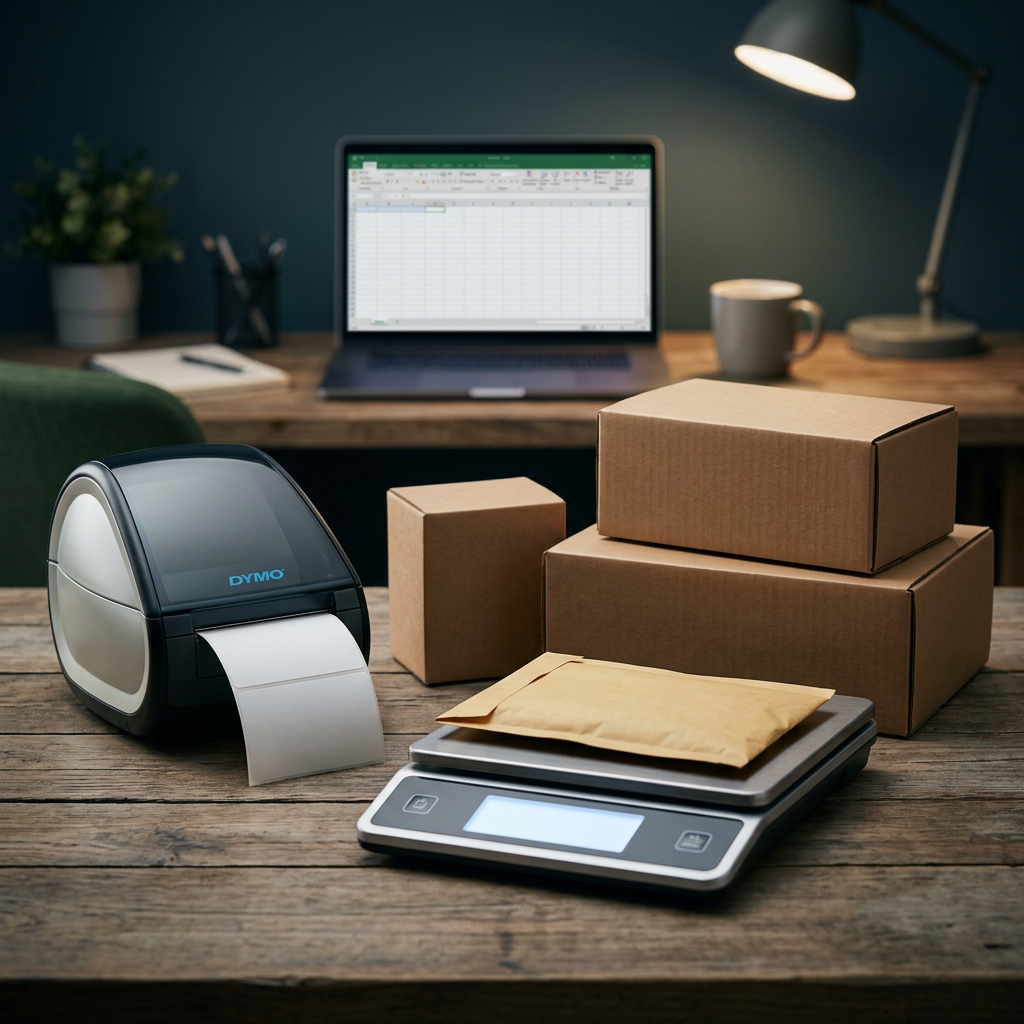
FBM (Fulfillment by Merchant) shifts the logistical burden to you. While you avoid Amazon's fulfillment and storage surcharges, you inherit the costs of warehouse space, packing materials, and shipping labels.
- Shipping Rates: Smaller sellers often pay retail rates for shipping, which can be 30-50% higher than Amazon’s negotiated rates.
- Packaging Materials: Box, tape, dunnage, and thermal labels typically add $0.35 to $1.20 per order.
- Labor: Even if you are packing from a garage, your time has a monetary value. As you scale, hiring staff is a fixed cost FBA sellers simply don't have.
Tip: If your product is oversized or heavy (e.g., furniture or gym equipment), FBM is almost always more profitable because FBA's heavy/bulky surcharges are punitive.
Side-by-Side 2026 Cost Comparison
To illustrate the difference, let's look at a standard 2lb electronic item priced at $45.00.
| Expense Category | Amazon FBA (2026) | Amazon FBM (Self-Shipped) |
|---|---|---|
| Referral Fee (15%) | $6.75 | $6.75 |
| Fulfillment Fee | $6.20 | $0.00 |
| Shipping Label Cost | $0.00 (Included) | $8.50 (Commercial Rate) |
| Monthly Storage | $0.85 (Avg/unit) | $0.20 (Allocated Rents) |
| Packaging/Labor | $0.00 (Included) | $1.50 |
| Total Per-Unit Cost | $13.80 | $16.95 |
In this specific example, FBA is nearly $3 cheaper per unit while providing Prime eligibility. However, if the item was slow-moving (staying in a warehouse for 6+ months), the FBA storage fees would quickly surpass the FBM costs. Using a Free Amazon Profit Margin Calculator allows you to toggle these variables to find your 'break-even' storage duration.
Influencing Conversion Through Fulfillment
Cost isn't the only factor. Fulfillment method directly impacts your SEO and conversion rate. Prime-badged products generally see a 2x-3x higher conversion rate than FBM listings. To compete as an FBM seller, your content must be impeccable. Utilizing high converting Amazon bullet points vs descriptions strategy helps bridge the gap by building trust where the 'Prime' badge cannot.
Furthermore, if you are targeting international markets, the logistics become even more complex. Managing multilingual Amazon SEO for global listings is hard enough; managing global shipping as an FBM seller relative to the 'Amazon Global Selling' FBA program is often a barrier to entry for new brands.
When to Choose FBA in 2026
- High Velocity Items: If your inventory turns over every 30 days, FBA costs are predictable and efficient.
- Standard Size Tiers: Products fitting in a standard shoe-box size or smaller benefit most from Amazon's logistics engine.
- Limited Infrastructure: If you lack the space or staff to ship 20+ orders a day, FBA is your scalable solution.
- Optimized Listings: For listings already leveraging Amazon listing optimization for mobile app users, Prime shipping is the final nudge needed for a checkout.
When to Choose FBM in 2026
- Hazmat or Restricted Items: Products that Amazon deems 'dangerous goods' often face high FBA hurdles or flat-out rejection.
- Custom/Handmade Goods: Items that require personalization or unique packaging cannot be handled effectively by Amazon.
- Extreme Size/Weight: If shipping costs via private freight are lower than FBA's bulky fees.
- Vulnerability to Sabotage: FBM sellers have more control over their physical inventory. This can be a safeguard while following an Amazon listing hijacking SEO recovery plan, as you can ensure the correct product version is being shipped.
Conclusion
The most successful sellers in 2026 often utilize a hybrid approach: FBA for their top-selling 'Hero' SKUs to capture Prime volume and FBM for wider catalog variety or oversized items. The 'correct' choice is always dictated by your specific unit economics and how reliably you can manage the fulfillment promise.
Before launching your next SKU, run your numbers through the ListerRank Free Amazon FBA Calculator to ensure your 2026 margins are protected.
Frequently Asked Questions
Is FBA always more expensive than FBM in 2026?
Not necessarily. While FBA has higher per-unit fees, Amazon's discounted shipping rates and the inclusion of customer service labor often make it cheaper for small, lightweight items compared to FBM.
How do 2026 storage fees affect my decision?
Storage fees have increased for aged inventory. If your product takes longer than 180 days to sell, FBM is likely the more cost-effective choice to avoid steep FBA surcharges.
Can I switch from FBM to FBA later?
Yes, you can toggle fulfillment methods for any listing at any time, though moving inventory into FBA centers takes time for processing and receiving.
Does FBM affect my Amazon SEO?
Indirectly, yes. Prime labels (FBA) generally lead to higher click-through and conversion rates, which are key ranking factors in the Amazon A10 algorithm.