
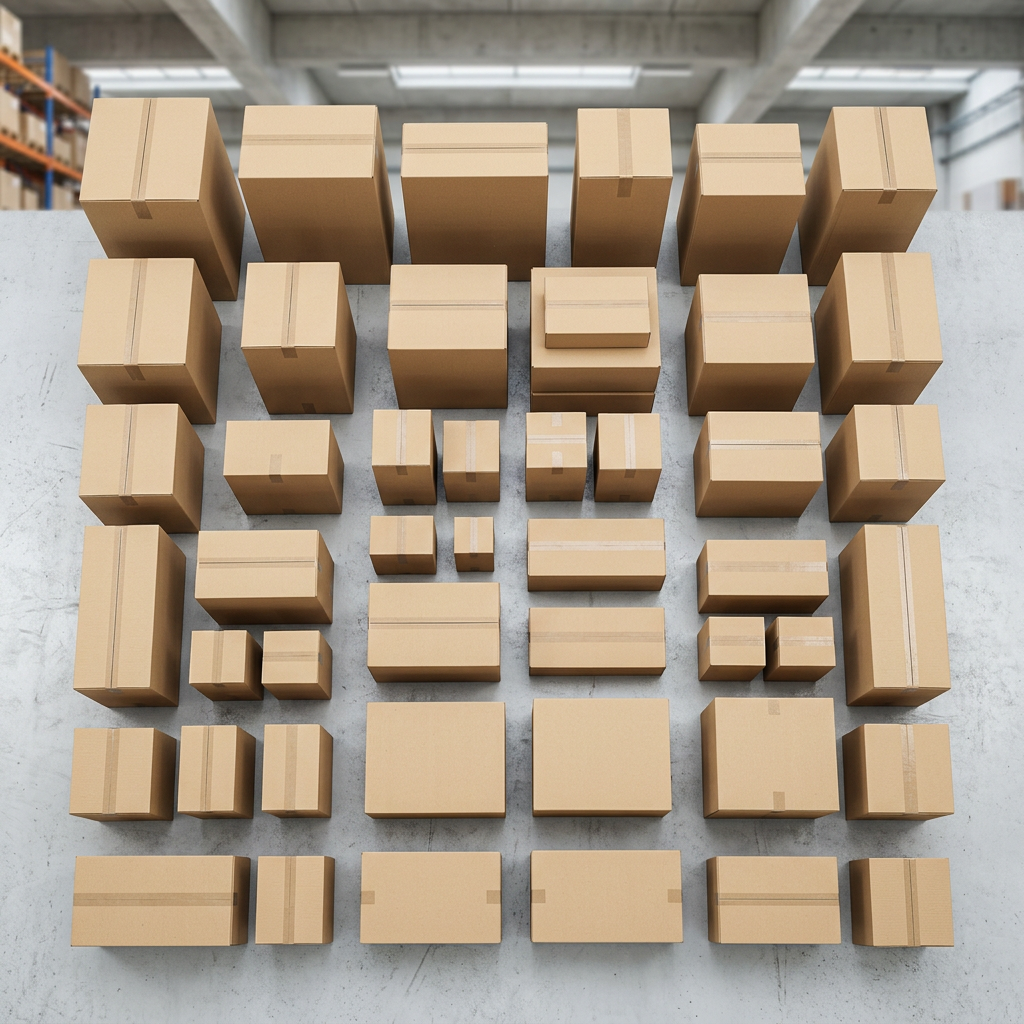
A single quarter-inch of extra cardboard can evaporate thousands of dollars in annual profit. In the 2026 Amazon ecosystem, fulfillment fees are no longer just a cost of doing business; they are a variable you must engineer through precise packaging design. Understanding the granular mechanics of amazon fba product packaging size tiers is the difference between a scaling brand and one struggling with unmanageable overhead.
The Strategic Importance of Size Tiers in 2026
As of June 2026, Amazon utilizes a sophisticated grid of weight and dimension measurements to determine your per-unit fulfillment cost. These tiers are bifurcated into two primary categories: Standard-Size and Oversize. Within these categories, there are several sub-tiers that dictate the shipping rates, storage costs, and even eligibility for specific fulfillment programs.
For sellers targeting high-volume niches, staying within the 'Small Standard' or 'Large Standard' limits is critical. If your product's packaging exceeds these limits by even a fraction, Amazon automatically bumps the SKU into a more expensive tier. This shift often triggers higher hidden Amazon FBA return processing fees if the items are returned, as shipping costs for larger items are inherently higher.
Current Standard-Size Tier Thresholds
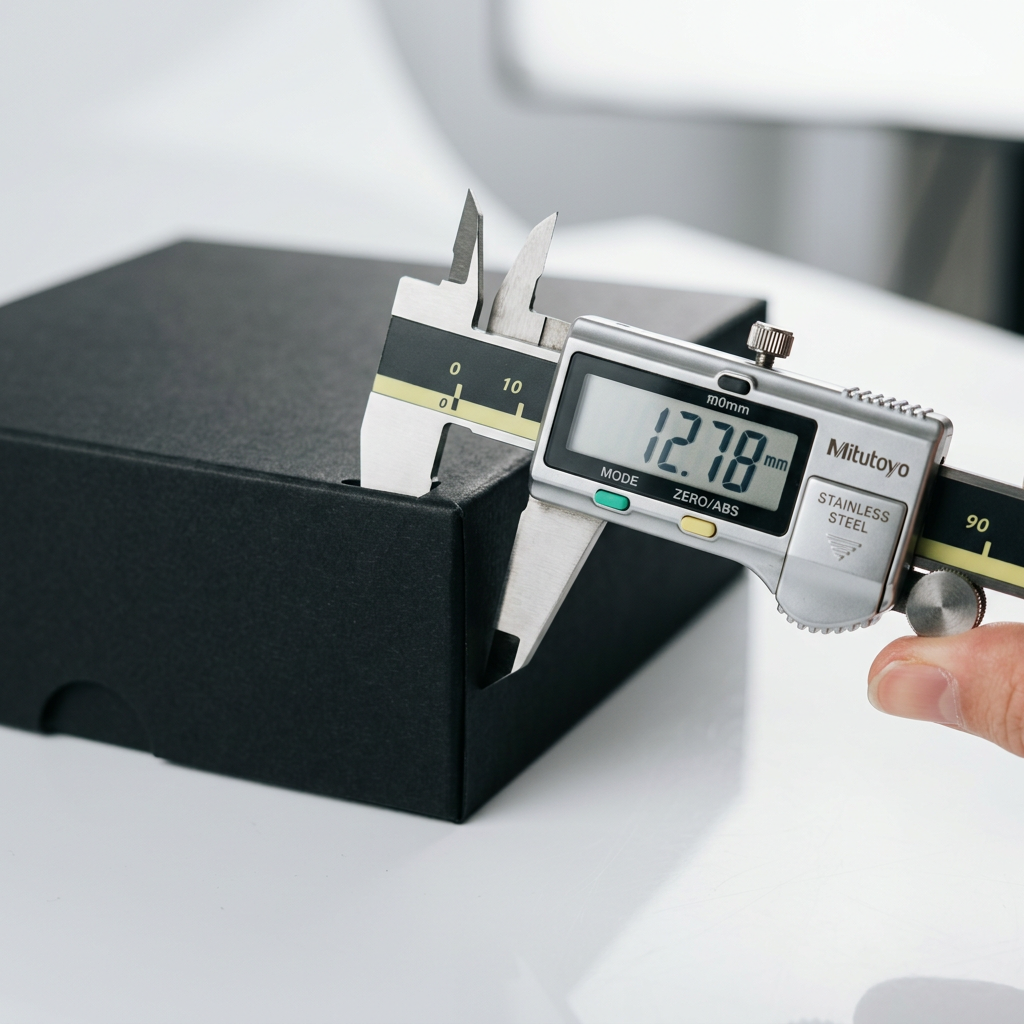
To optimize effectively, you must know the exact cut-off points. Amazon measures the 'longest side,' 'median side,' and 'shortest side.'
- Small Standard-Size: Max 15" x 12" x 0.75" and 16 oz.
- Large Standard-Size: Max 18" x 14" x 8" and 20 lbs.
Tip: Always account for the 'puffiness' of poly bags. If your product is soft and expands during measurement at the fulfillment center, you might be billed for a Large Standard-Size fee despite your manufacturing specs saying otherwise.
The Dimensional Weight Factor
In 2026, Amazon continues to utilize dimensional weight (DIM weight) to calculate fees for Large Standard-Size and all Oversize items. This means Amazon charges you based on the volume the package occupies, rather than its actual physical weight, if the volume exceeds the actual weight.
Before finalizing your manufacturing run, use a Free Amazon FBA Calculator to see if your DIM weight is dragging down your ROI. The formula for dimensional weight is (Length x Width x Height) divided by a unit factor (typically 139 in the US market). If the resulting number is higher than the actual weight, you pay the DIM weight rate.
Comparing Tiers: A Cost Analysis
| Tier | Max Weight | Max Long Side | Max Short Side | Typical 2026 Fee Range |
|---|---|---|---|---|
| Small Standard | 16 oz | 15 inches | 0.75 inches | $3.00 - $3.80 |
| Large Standard | 20 lbs | 18 inches | 8 inches | $4.50 - $6.50 |
| Large Standard (DIM) | Variable | 18 inches | 8 inches | $6.50+ |
The 'Low-Price' Advantage for Small Parcels
Sellers moving items priced under $10 should pay close attention to the specific sub-tiers for low-price fulfillment. Utilizing the FBA Small and Light program strategies for 2026 can result in significant savings if your packaging dimensions are kept within the strict 'Small Standard' limits.
Engineering Packaging to Avoid Fee Creep
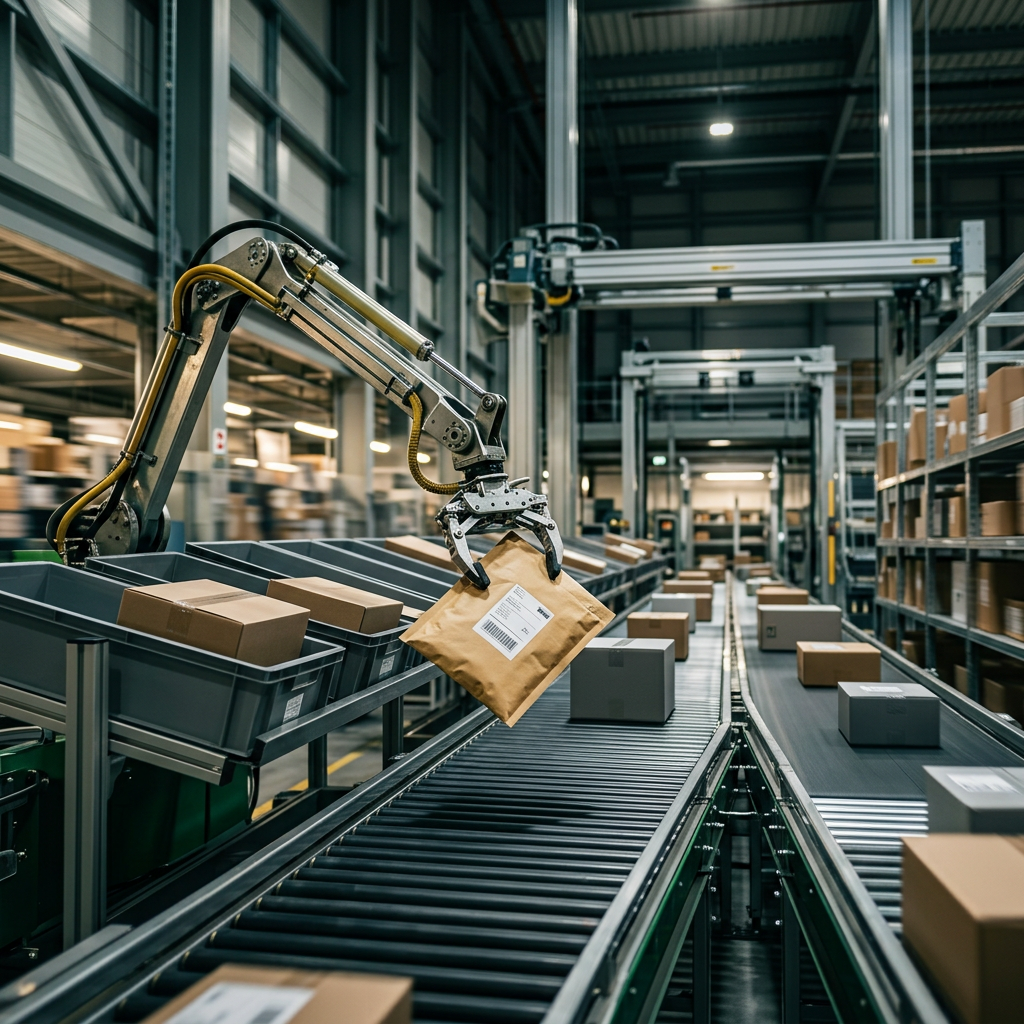
Packaging design is no longer just about aesthetics or branding; it is about dimensional efficiency. If your product is currently sitting at 18.2 inches on its longest side, you are paying Oversize rates. By redesigning the box to be 17.9 inches, you drop into the Large Standard-Size tier, potentially saving $10.00 or more per unit.
Checklist for Dimensional Optimization
- Vacuum Sealing: For textiles and soft goods, vacuum sealing can reduce the 'shortest side' measurement significantly, often moving a product from Large Standard to Small Standard.
- Right-Sized Inserts: Replace bulky foam with corrugated cardboard inserts or thin air pillows that collapse during measurement.
- Frustration-Free Packaging (FFP): Enrolling in Amazon's FFP program not only reduces waste but often results in smaller outer dimensions, as the product is shipped in its own box without an additional Amazon overbox.
When optimizing your packaging, remember that size also affects your storage costs. To find the exact impact on your monthly overhead, consult a Free Amazon Storage Fee Calculator. Storage fees are calculated per cubic foot; a 10% reduction in package volume directly correlates to a 10% reduction in monthly storage liabilities.
Managing Logistics and Inbound Fees
Your packaging dimensions don't just affect fulfillment; they impact how much it costs to get your inventory into the warehouse. When shipping pallets, the way your individual units stack depends on their size tiers.
Poorly optimized packaging leads to more 'dead space' in your master cartons, which can trigger higher Amazon inbound placement service fees if you are forced to send more shipments to cover the same unit count. Furthermore, if you are struggling with slow-moving inventory due to bulky packaging, you may find yourself hit by the 2026 Amazon low-inventory level fee if your stock-to-sales ratio becomes unbalanced.
Calculating the True Profit Margin
To see how these variables interact, professional sellers must look at the bottom line. It is not enough to know the fee; you must know your net margin after all Amazon deductions. Use a Free Amazon Profit Margin Calculator to simulate different packaging scenarios.
Example Scenario:
- Product A: 19 x 10 x 5 inches (Small Oversize) | FBA Fee: $12.50
- Product B (Optimized): 18 x 10 x 5 inches (Large Standard) | FBA Fee: $6.20
- Result: $6.30 in immediate profit gain per unit just by trimming one inch.
Conclusion
Mastering amazon fba product packaging size tiers is a mandatory skill for any private label seller in 2026. By engineering your packaging to fit the lowest possible tier and accounting for dimensional weight, you protect your margins from the 'fee creep' that plagues unoptimized listings. Constant monitoring of your measurements in Seller Central ensures that if Amazon re-measures a product incorrectly, you have the data ready to request a fee reimbursement.
Calculate your potential savings today using the ListerRank Free Amazon FBA Calculator.
Frequently Asked Questions
You can request a 'remeasurement' through Seller Central. Amazon allows a limited number of requests per month, so ensure your packaging is truly within the tier limits before asking.
You can request a 'remeasurement' through Seller Central. Amazon allows a limited number of requests per month, so ensure your packaging is truly within the tier limits before asking.
What is the most expensive size tier for FBA sellers?
The Special Oversize tier is the most expensive, typically reserved for extremely heavy or large items like furniture or large appliances, as they require special handling and equipment.
Does Amazon include the shipping box in the size tier calculation?
No, size tiers are determined by your product's unit packaging (the box the customer receives), not the master carton or Amazon's shipping box.
How does packaging weight affect size tiers in 2026?
Weight and dimensions work together; if a product fits Small Standard dimensions but weighs 17 oz, it is bumped to Large Standard because it exceeds the 16 oz weight limit.