
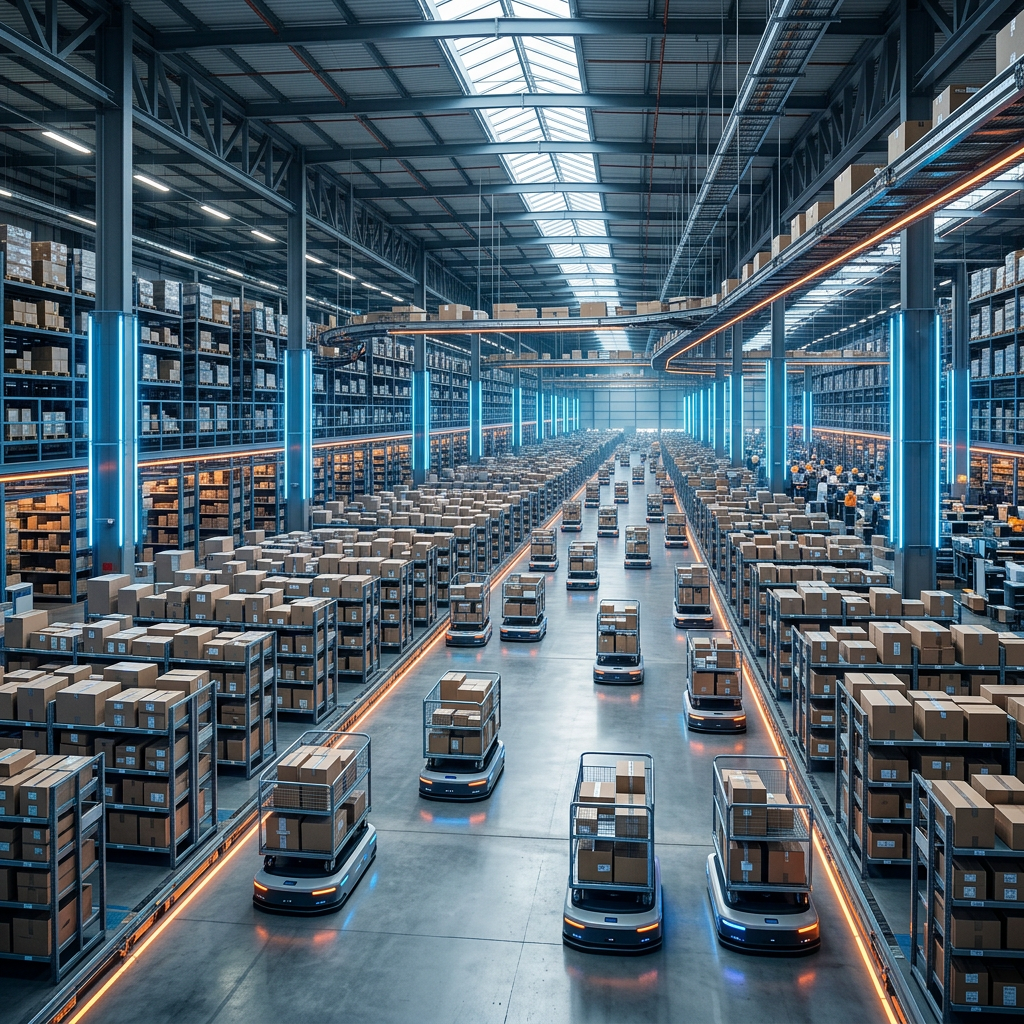
The logistical efficiency of Fulfillment by Amazon (FBA) comes with a hidden regulatory cost that many sellers overlook until they receive a nexus notification. As of mid-2026, the complexity of state tax laws means that simply storing a single unit in a third-party warehouse can trigger a physical presence obligation. Understanding the nuances of inventory nexus for FBA sellers is no longer optional for businesses aiming to scale across state lines without incurring massive back-tax penalties.
Defining Inventory Nexus in 2026
Nexus is the legal link between a seller and a state that allows the state to require the seller to collect and remit sales tax. While the 2018 Wayfair decision popularized 'economic nexus' (based on revenue or transaction volume), 'physical nexus' remains the most aggressive form of tax enforcement. For an FBA seller, physical nexus is established the moment Amazon moves your products into a fulfillment center located in a specific state.
Even if you have never visited Pennsylvania or California, having $500 worth of inventory sitting in an Amazon warehouse in those states traditionally creates a physical tie. In 2026, most states continue to assert that inventory ownership constitutes a physical presence, regardless of who owns the warehouse building. This distinction is critical because physical nexus often lacks the high revenue thresholds (typically $100,000) associated with economic nexus.
The Role of Amazon Software and Marketplace Facilitator Laws
Every state with a sales tax now has Marketplace Facilitator (MPF) laws in effect. These laws require Amazon to collect and remit sales tax on your behalf for sales made through their platform. However, these laws do not necessarily absolve the seller of all responsibilities.
Why FBA Sellers Still Face Liability
- Non-Amazon Sales: If you use Multi-Channel Fulfillment (MCF) to ship orders for your Shopify or eBay store, the inventory nexus created by FBA may force you to collect tax on those external platforms.
- Income and Franchise Taxes: Some states argue that physical nexus via inventory also triggers a requirement to file state income or franchise tax returns, which MPF laws do not cover.
- Local Post-Wayfair Credits: Tracking where your inventory sits helps in reconciling reports when using multi-channel e-commerce accounting software to ensure you aren't overpaying in jurisdictions where you lack a filing requirement.
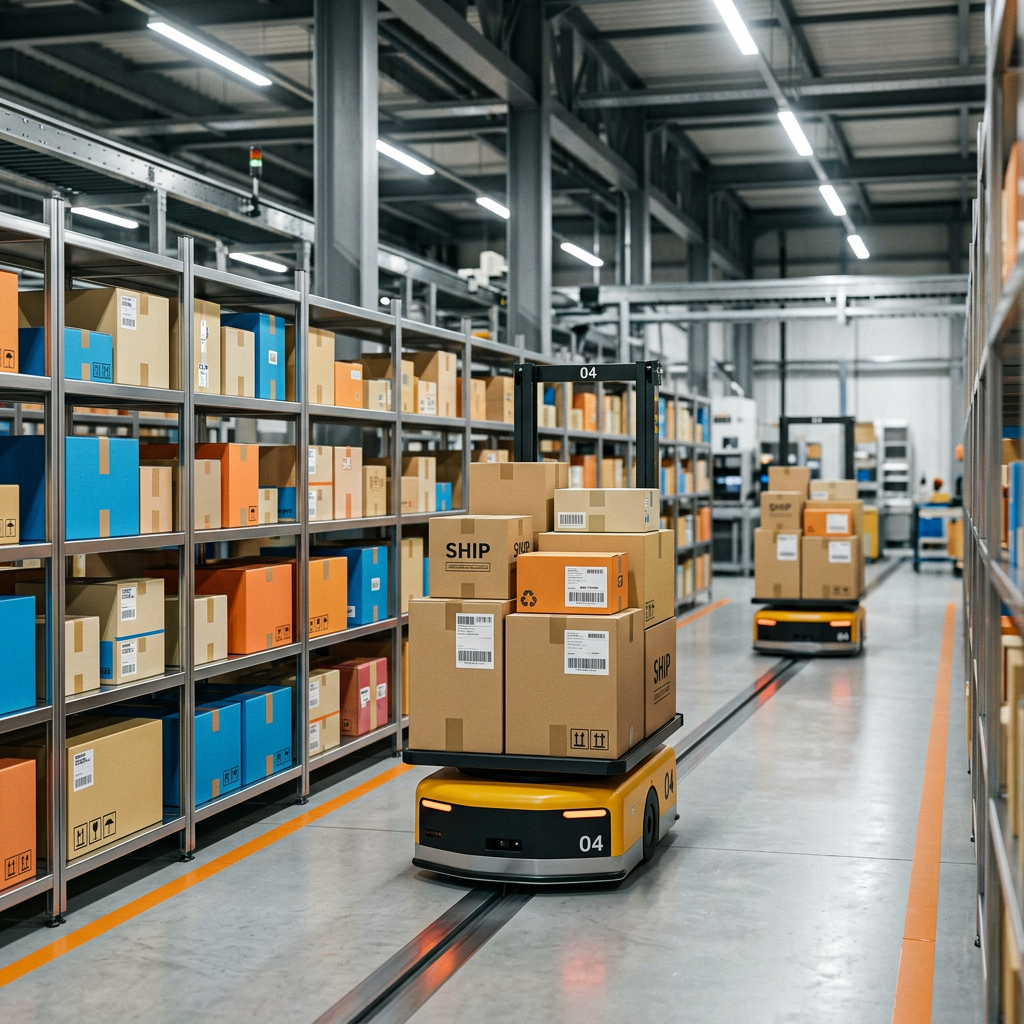
Does Inventory Management Software Create Additional Risk?
Modern sellers rely on sophisticated algorithms to balance stock across regions. While software doesn't "create" the law, it dictates where your inventory travels, which effectively manages your nexus map. In 2026, many sellers use syncing eBay and Amazon inventory workflows to keep stock levels lean across platforms.
If your software settings allow Amazon to distribute your goods globally or across the full U.S. network through the FBA Export program or Inventory Placement Service, you are intentionally expanding your physical nexus footprint. You must balance the shipping cost savings against the cost of compliance in 30+ states.
Tip: Regularly download the 'Inventory Event Detail' report from Amazon Seller Central. This is the only way to prove exactly where your stock was held if an auditor challenges your 2025-2026 filings.
Calculating the Cost of Expansion
Before expanding your inventory footprint, it is vital to calculate your net margins accurately. Tax compliance costs—including registration fees and monthly filing software—can strip 1-3% of your margin. When evaluating new product lines, use our Free Amazon FBA Calculator to estimate your baseline fees before adding the estimated 8% average state sales tax into your pricing strategy.
| Nexus Type | Trigger | 2026 Threshold (Typical) | Software Impact |
|---|---|---|---|
| Physical | Inventory in warehouse | 1 unit / $1 value | FBA distribution triggers this instantly |
| Economic | Gross Sales / Transactions | $100k / 200 orders | Tracked by multi-channel sync tools |
| Affiliate | In-state referrals | Varied by state | Managed via marketing attribution |
Strategic Compliance for Multi-Channel Sellers
If you are scaling beyond Amazon, perhaps by scaling TikTok Shop multi-channel integration, your physical nexus in Amazon warehouses becomes a liability for your TikTok sales. If a state sees you have inventory in an FBA center in Tennessee, they expect you to collect sales tax on your TikTok orders shipped to Tennessee residents, even if TikTok isn't handling the fulfillment.
 To mitigate this, many sellers prioritize high-conversion listings. Utilizing the Free Amazon Keyword Research tool allows you to maximize turnover. Higher inventory turnover reduces the time goods sit in various states, though it does not eliminate the nexus created by the initial arrival of the goods.
Steps to Navigate Inventory Nexus in 2026
- Map Your Stock: Use your 'Daily Inventory History' report to identify every state where your SKUs are stored.
- Evaluate Thresholds: Compare your sales volume in those states against the sales tax for online sellers guide to see if you have crossed economic limits.
- Register for Sales Tax Permits: In states where you have physical inventory and high non-marketplace sales (e.g., Shopify), apply for a permit.
- Manage Resale Certificates: Avoid paying sales tax to your suppliers by correctly handling resale certificates based on your nexus locations.
Conclusion
Inventory nexus for FBA sellers remains a potent source of tax complexity in 2026. While Amazon’s software automates the logistics, the legal responsibility for physical presence and secondary tax obligations rests solely on the seller. By auditing your inventory locations and integrating your tax strategy with your multi-channel growth, you can protect your business from unforeseen audits.
Optimize your product visibility while staying compliant by using the Free Amazon Title Generator to drive the sales volume needed to justify your nexus footprint.
Frequently Asked Questions
Does Amazon collect all sales tax for FBA sellers in 2026?
Amazon collects and remits sales tax for most states under Marketplace Facilitator laws. However, sellers may still be responsible for collecting tax on sales made through other channels (like a personal website) if Amazon’s inventory creates physical nexus in those states.
How do I know which states have my FBA inventory?
You must generate the 'Inventory Event Detail' or 'Daily Inventory History' report in Amazon Seller Central. This provides a record of which fulfillment center codes handled your stock, which you can then cross-reference with state locations.
Can inventory software help reduce nexus liability?
Software can help you track where nexus is triggered, but only your inventory settings (like disabling commingled inventory or specific regional programs) can influence where Amazon stores your goods. Most 'nexus' features in software are for reporting, not prevention.
What happens if I ignore physical nexus from FBA inventory?
Failure to register in states where you have physical inventory can lead to assessments for unpaid back taxes, interest, and penalties. In 2026, states are increasingly using third-party data to identify high-volume sellers who haven't filed.