
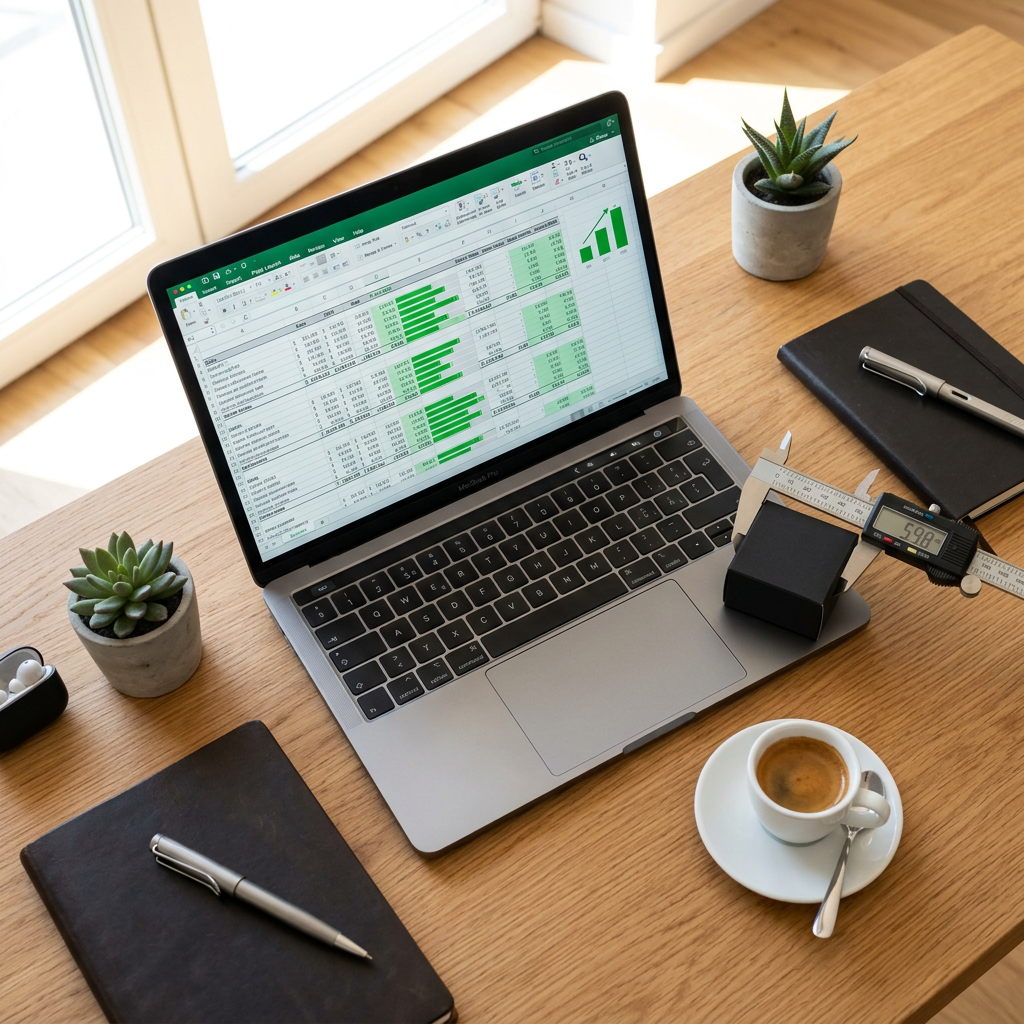
Understanding the mathematics of Amazon FBA determines whether a retail business thrives or collapses before its first restock. In the competitive landscape of 2026, thin margins are common, and failing to account for a single dimensional weight increase can erase your entire net profit. Mastering an amazon fba fees calculator for beginners is not just about data entry; it is about strategic financial planning.
The Core Pillars of Amazon FBA Fees in 2026
To use an amazon fba fees calculator for beginners effectively, you must first categorize expenses into fixed and variable buckets. Amazon updates its fee structure annually, and 2026 has introduced specific nuances regarding low-inventory levels and inbound placement options.
1. Referral Fees (The Commission)
Referral fees are the percentage Amazon takes for every item sold on their platform. For most categories, this remains at 15%. However, categories like personal electronics or apparel may vary between 8% and 17%. Since this is a percentage of the total sales price (including shipping charged to the customer), it scales directly with your revenue.
2. Fulfillment Fees (Picking, Packing, and Shipping)
Fulfillment fees cover the physical movement of your goods from the Amazon warehouse to the customer's doorstep. These are determined by the size tier (Small, Standard, Large Bulky, or Extra-Large) and the shipping weight. In 2026, Amazon utilizes a more granular dimensional weight calculation for all standard-size items, meaning the bulkiness of your packaging is just as important as the weight of the product itself.
Using an Amazon FBA Fees Calculator for Beginners
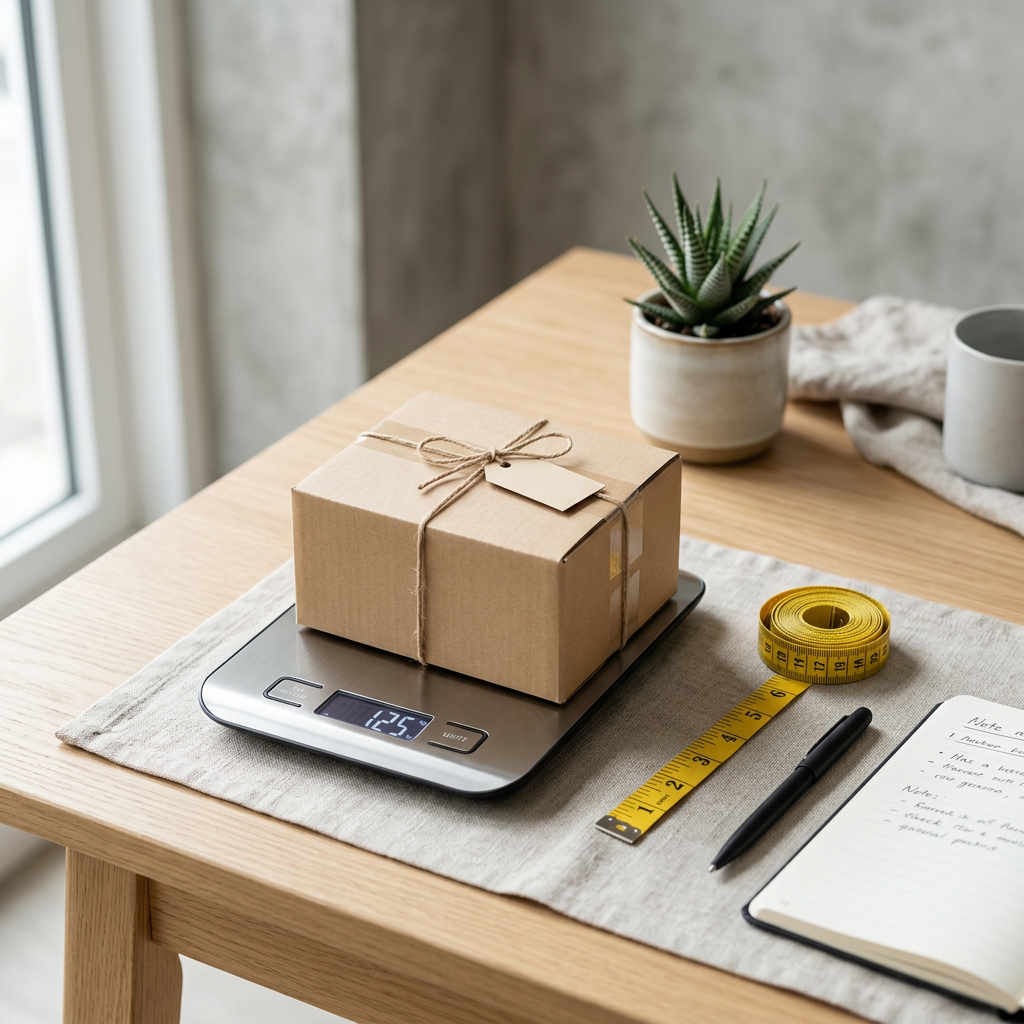
Before launching a product, you should run your numbers through a Free Amazon FBA Calculator. This tool allows you to input your COGS (Cost of Goods Sold), estimated shipping to Amazon, and product dimensions to see an immediate breakdown of potential net profit.
Step-by-Step Calculation Process
- Define Your Product Dimensions: Use the exact dimensions of the final packaging, not the raw product. Even a half-inch of air in a polybag can bump you into a higher fee tier.
- Determine Your Category: Ensure your product is listed correctly. A miscategorized item in 'Beauty' vs. 'Health' could cost you a 2-3% difference in referral fees.
- Factor in Inbound Placement: In 2026, Amazon offers different rates depending on whether you ship your inventory to a single location or multiple locations. High-volume sellers often choose multiple locations to lower the per-unit fulfillment fee.
- Calculate Net Profit: Subtract total fees and COGS from your target sale price. Use the Free Amazon Profit Margin Calculator to visualize your true take-home pay after all hidden expenses.
Tip: Always round your weight measurements up to the nearest whole ounce or pound to ensure your calculator results are conservative and realistic.
Storage Fees: Monthly vs. Aged Inventory
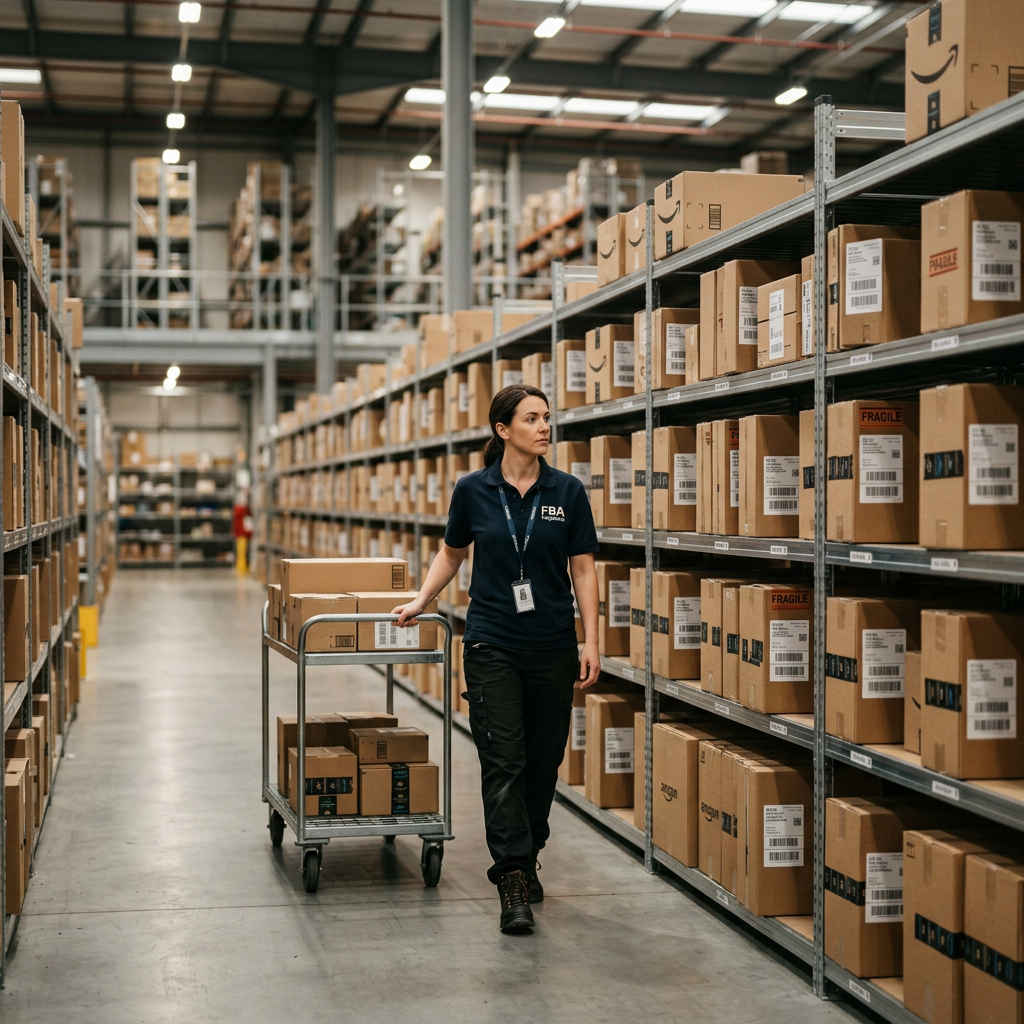
Storage costs are the silent margin killers for beginners. Amazon charges for the volume of space your inventory occupies in the fulfillment center. These rates fluctuate seasonally, peaking during the Q4 holiday rush (October–December).
Monthly Storage Fees
These are calculated based on the average daily volume in cubic feet. For 2026, standard-size products incur a lower per-cubic-foot fee than oversized items, but they often move faster, leading to higher turnover. You can estimate these specific costs using our Free Amazon Storage Fee Calculator to avoid surprises during high-volume months.
Aged Inventory Surcharges
If inventory sits for more than 181 days (approx. 6 months), Amazon applies an aged inventory surcharge. This fee increases significantly after 271 and 365 days. To avoid this, new sellers must optimize their listings to Ensure a high conversion rate. Utilizing high converting Amazon bullet points vs descriptions is a proven way to increase velocity and keep inventory moving.
Advanced Fees for 2026: Low-Inventory and Returns
As of 2026, Amazon has tightened its efficiency requirements. Beginners must now account for the Low-Inventory Level Fee. This fee applies if your inventory levels relative to your sales volume fall below a certain threshold (usually 4 weeks of supply).
The Impact of Returns
When a customer returns a product, the original referral fee is partially refunded, but you are often charged a 'Returns Processing Fee' if the category allows it (such as Apparel or Shoes). Furthermore, if the product is no longer sellable, you face a removal or disposal fee. Protecting your listing from bad actors through Amazon listing hijacking SEO recovery is essential to prevent a spike in fraudulent returns that could skew your fee calculations.
| Fee Type | Frequency | Calculation Basis | 2026 Trend |
|---|---|---|---|
| Referral Fee | Per Sale | % of Gross Sale Price | Stable (15% Avg) |
| Fulfillment Fee | Per Sale | Size Tier + Unit Weight | Increasing for heavy items |
| Storage Fee | Monthly | Cubic Feet occupied | High Peak in Q4 |
| Low-Inventory Fee | Variable | Days of Supply < 28 | New for performance |
Projecting Marketing Costs: The Advertising Factor
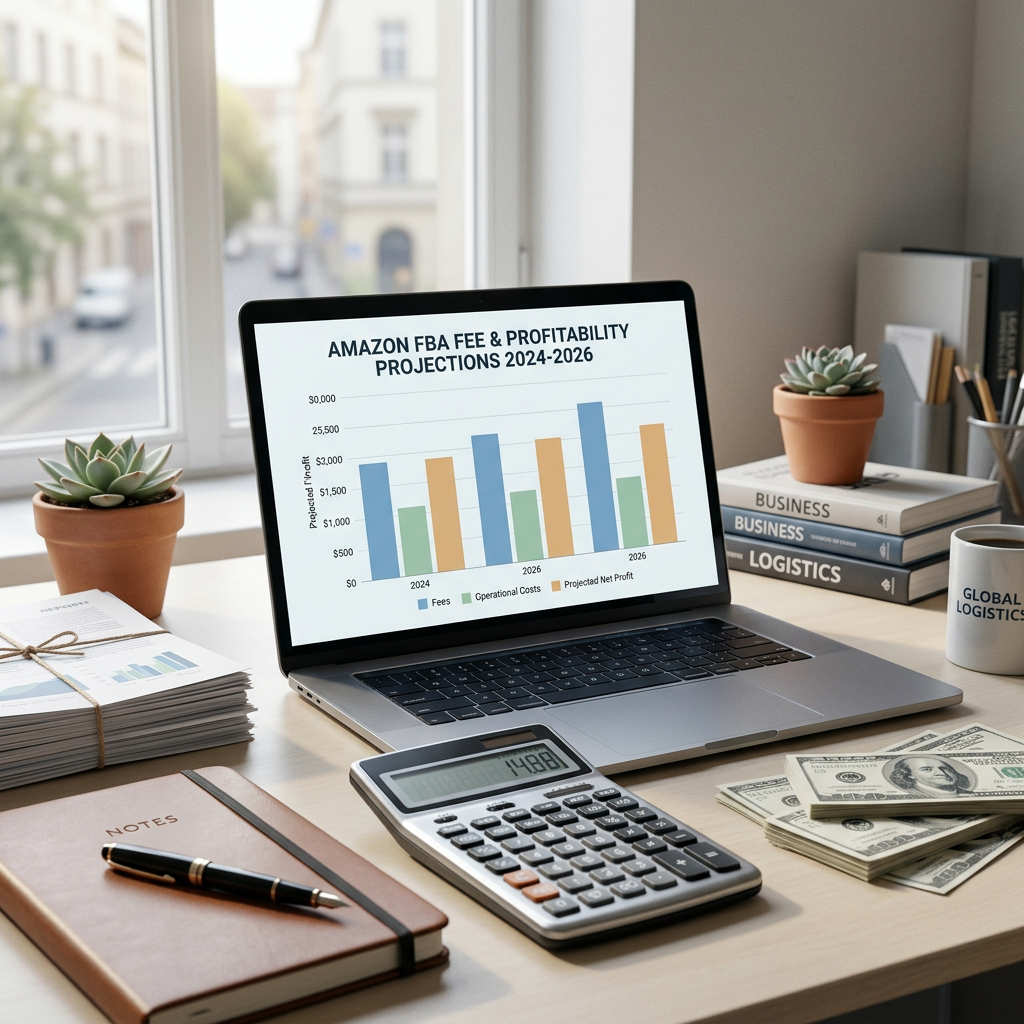
A beginner's amazon fba fees calculator is incomplete without factoring in PPC (Pay-Per-Click) costs. In 2026, search results are heavily dominated by sponsored placements. If your product price is $30 and your FBA fees are $12, you have $18 left. If your PPC spend is $10 per sale, your actual profit is only $8.
Calculating Advertising Limits
To remain profitable, you must determine your Break-Even ACoS (Advertising Cost of Sales). Use the Free Amazon ACoS Calculator to find the point where your ad spend equals your profit margin. To lower these costs over time, focus on organic SEO. For example, optimizing Amazon listings for voice search can capture emerging traffic segments without increasing your per-click bids.
For those who need to scale their advertising aggressively, calculating the Free Amazon PPC Bid Calculator will help you set maximum bids that won't exceed your target margins.
Global Selling and External Integrations
If you plan to sell outside of the US marketplace, keep in mind that fee structures change across borders. When expanding, ensure you are using multilingual Amazon SEO for global listings to maintain high conversion rates and avoid dead inventory in international warehouses.
TikTok Shop vs. Amazon FBA
In 2026, the Amazon Multi-Channel Fulfillment (MCF) integration with TikTok Shop has become a standard workflow. While Amazon FBA fees for items sold on the Amazon store are integrated, MCF fees for TikTok orders are typically higher. You must calculate these separately to ensure your TikTok Shop pricing accounts for the fulfillment premiums.
Conclusion: Navigating the 2026 Ecosystem
Success on Amazon FBA in 2026 requires a meticulous approach to data. By using an amazon fba fees calculator for beginners and constantly monitoring your storage and fulfillment tiers, you can navigate the complexities of the marketplace. Remember that listing quality directly impacts your fee efficiency—higher conversion rates lead to better inventory turnover and lower storage costs.
Always optimize your presence for every device, including Amazon listing optimization for mobile app, to maximize your return on every dollar spent.
Audit your product margins today with our suite of Free ListerRank Seller Tools to ensure your 2026 business remains profitable.
Frequently Asked Questions
Is Amazon FBA still profitable for beginners in 2026?
Yes, but profit margins are tighter than in previous years due to increased competition and new inventory fees. Success in 2026 requires a data-driven approach, focusing on high-demand, low-weight products and precise PPC management. Using a calculator before sourcing is now a mandatory step for any new seller.
How much does Amazon take per sale on average?
On average, Amazon takes between 30% and 45% of the gross sale price when combining referral fees (15%) and fulfillment fees (15-30%). This percentage can fluctuate based on the product's size and weight. Beginners should aim for a product price at least 3x the manufacturing cost to account for these deductions.
What is the cheapest way to ship my products to Amazon FBA?
The most cost-effective method is using Amazon’s Partnered Carrier Program for small parcel delivery or LTL (Less Than Truckload) shipping. For 2026, opting for 'Inbound Placement Service' sharing—where you ship to multiple warehouses—often results in lower fulfillment fees, which offsets the higher initial shipping cost.
How do I avoid paying high monthly storage fees?
To minimize storage fees, maintain an Inventory Performance Index (IPI) score above 400 and target an inventory turnover of 4-6 weeks. Utilize a storage fee calculator to project costs for Q4 and consider third-party logistics (3PL) for overflow stock, as 3PL rates are often cheaper than Amazon’s peak holiday storage rates.
Are there different fees for the TikTok Shop vs. Amazon FBA integration?
Yes, when using Amazon FBA to fulfill TikTok Shop orders through Multi-Channel Fulfillment (MCF), the fulfillment fees are generally higher than standard FBA fees. Additionally, TikTok Shop takes its own referral commission, so you must factor in both the TikTok platform fee and the Amazon MCF fee to ensure profitability.
How does the 2026 low-inventory fee affect my new product launch?
For a new product launch, Amazon typically provides a grace period, but once the product is established, you must maintain at least 28 days of inventory. If your stock levels drop below this relative to your sales velocity, a low-inventory surcharge is applied to every unit sold, making consistent restock cycles vital for margin protection.
What is the difference between a referral fee and a fulfillment fee?
The referral fee is essentially a sales commission (usually 15%) paid for using Amazon's store traffic. The fulfillment fee is a flat rate based on the item's size and weight that covers the cost of storage, picking, packing, and shipping. You pay the referral fee for every sale, while fulfillment fees apply specifically to FBA-shipped orders.
Do I have to pay FBA fees if my product is returned?
You do not get the original fulfillment fee back when a customer returns an item, as the service was already rendered. Additionally, depending on the category, you may be charged a returns processing fee. If the item is returned in unsellable condition, you will also incur a removal or disposal fee to handle the unit.