
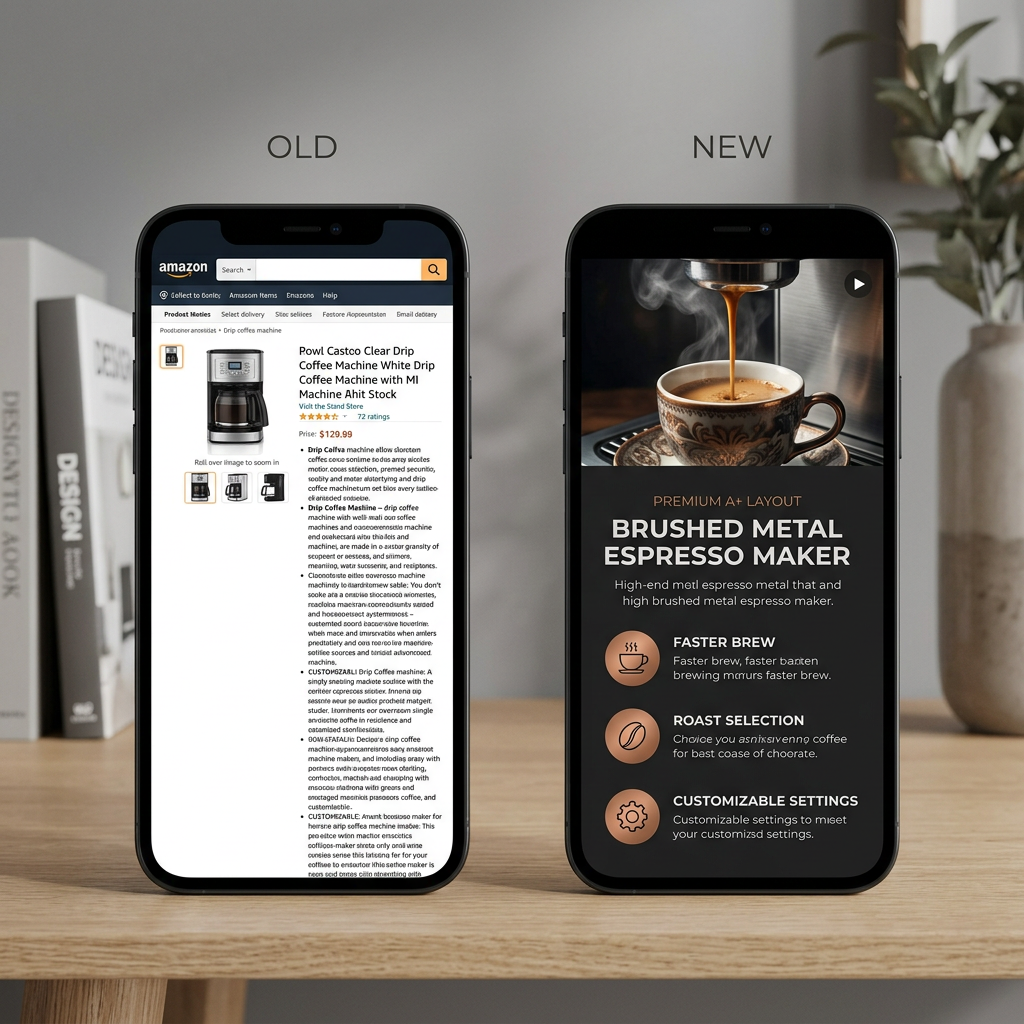
The gap between a basic listing and a high-converting brand experience has never been wider on Amazon. As we move through mid-2026, the battle for consumer attention requires more than just high-resolution flat images; it demands an immersive storytelling interface. Choosing between premium a+ content vs standard is no longer just an aesthetic choice, but a strategic decision that impacts mobile click-through rates and long-term brand equity.
The Technical Evolution of A+ Content in 2026
Standard A+ Content remains the baseline for Brand Registry sellers, providing five basic modules to replace the legacy text description. However, Premium A+ Content (formerly known as A++ Content) offers a significant upgrade in visual real estate. In 2026, the technical advantage of Premium lies in its use of full-width imagery and interactive elements that cater to the 'infinite scroll' behavior of modern smartphone users.
Module Capacity and Layout
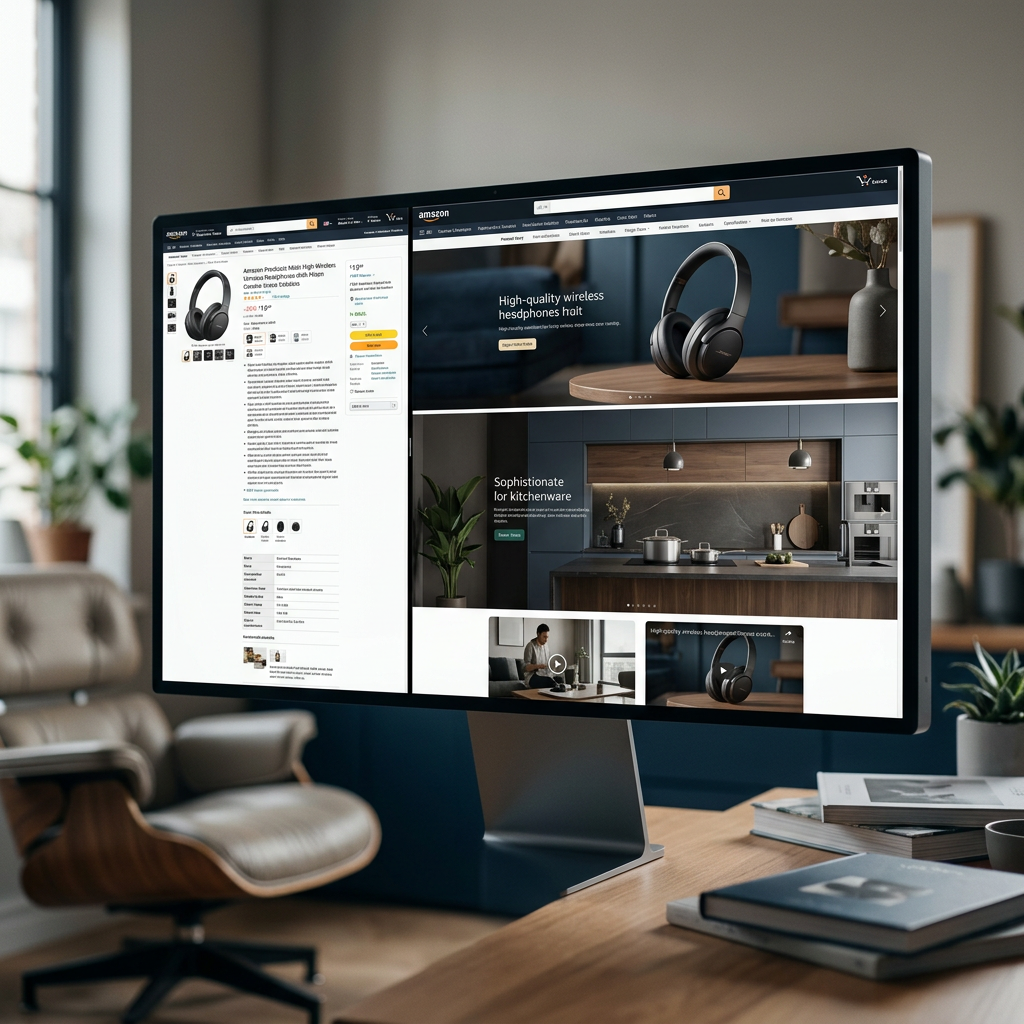
Premium A+ allows for up to seven modules per page, whereas Standard is limited to five. While this might seem like a minor difference, the actual dimensions are the game-changer. Premium modules utilize the full width of the screen (up to 1460 pixels), creating a cinematic feel that eliminates the white-space borders found in Standard layouts.
Interactive Hotspots and Navigation
One of the most powerful features of Premium A+ is the interactive hotspot module. Sellers can overlay hoverable tags on a lifestyle image, allowing customers to see specific technical specs without leaving the section. If you are struggling with complex product details, using the Free Amazon Description Generator can help you draft the concise copy required for these interactive pop-ups.
Direct Comparison: Premium vs. Standard
To understand the ROI of upgrading, sellers must look at the specific asset types supported by each tier. The transition to video-first commerce in 2026 has made the video module in Premium almost mandatory for high-ticket electronics and home goods.
| Feature | Standard A+ Content | Premium A+ Content |
|---|---|---|
| Module Limit | 5 Modules | 7 Modules |
| Image Width | 970 pixels | 1460 pixels |
| Video Support | No (Except via main images) | Yes (Full-width & Background) |
| Interactive Elements | None | Hotspots, Carousels, Toggle Tabs |
| Comparison Tables | Basic Text/Image | Enhanced ‘Add to Cart’ Tables |
| Average Conv. Lift | 3-8% | 15-20%+ |
Tip: Before designing your premium modules, consult the 2026 Amazon A+ Content Image Size Guide: High-Res Templates to ensure your assets don't appear pixelated on 4K displays.
Assessing the Cost of Implementation
While Amazon has historically varied the access cost for Premium A+, most eligible 1P and 3P sellers currently access it for free, provided they meet specific brand criteria—namely, having a published Brand Story and at least 15 approved A+ submissions within the last 12 months. However, the 'hidden' cost lies in the creative overhead.
Creative Production and Overhead
High-quality video production and 1460px lifestyle photography require significant investment. When calculating your total product launch budget, ensure these creative costs are accounted for in your Amazon FBA Overhead Cost Spreadsheet for Beginners. A single video module can cost between $1,500 and $5,000 depending on the talent and editing complexity.
Evaluating Unit Economics
Premium A+ Content is most effective for products with a high Average Order Value (AOV). If your product falls into the FBA Small and Light Program 2026, the margins may not support high-end video shoots. Use a Free Amazon PPC Bid Calculator to determine if your current conversion rate justifies the traffic you are buying; often, an upgrade to Premium A+ can lower your ACoS by increasing the likelihood of a sale from every click.
Strategic Conversion Elements in 2026
Conversion optimization in 2026 relies heavily on cross-selling. The Premium Comparison Table is a massive upgrade over the Standard version because it includes a direct "Add to Cart" button and real-time pricing. This keeps the customer within your brand ecosystem rather than clicking away to a competitor's listing.
Reducing Return Rates with Visual Clarity
Enhanced imagery does more than sell; it informs. Detailed zoom modules in Premium A+ help set realistic expectations, which is vital for managing hidden Amazon FBA return processing fees that can erode profits for apparel and fragile goods sellers. When customers can see texture and scale clearly, they are less likely to claim 'Item not as described.'
Analyzing Your Current Assets
If you are unsure if your listing is ready for a Premium upgrade, run it through the Free Amazon Listing Analyzer. This tool identifies gaps in your current content strategy—such as missing features or weak keyword integration—that should be addressed before investing in expensive Premium modules.
Criteria for the Premium Upgrade
To qualify for Premium A+ in 2026, Amazon typically requires the following:
- Brand Story: You must have a Brand Story module active on all ASINs within your brand catalog.
- Approval History: Your account must have at least 15 Standard A+ Content submissions approved in the last 12 months.
- Active Brand Registry: Your trademark and Brand Registry status must be in good standing.
For inspiration on how to structure your 7-module layout, review these 50+ Amazon A Plus Content Examples for 2026 to see how top-tier brands use carousels and Q&A modules to overcome buyer objections.
Conclusion
The debate between premium a+ content vs standard usually settles on the brand’s maturity and the product's price point. For most professional sellers in 2026, the 15-20% conversion lift associated with Premium A+ makes it an essential tool for defending market share against emerging competitors. By integrating high-resolution video and interactive comparison tables, brands can significantly reduce their long-term customer acquisition costs.
Optimize your metadata and visibility today by using the Free Amazon Keyword Research tool to fuel your new content strategy.
Frequently Asked Questions
How much does Premium A+ Content cost in 2026?
As of mid-2026, Amazon generally provides Premium A+ Content for free to eligible brand-registered sellers who meet specific criteria, such as having an active Brand Story on all ASINs.
Will Premium A+ Content improve my Amazon SEO?
While the text within A+ Content images isn't indexed by the Amazon search algorithm, the text in comparison tables and alt-text is. More importantly, the conversion lift indirectly boosts your BSR and organic ranking.
Can I use video in Standard A+ Content?
No, Standard A+ is limited to static images and text. Premium A+ allows for full-width auto-play video and integrated video modules.
Is Premium A+ Content mobile-friendly?
Yes, it is designed specifically for mobile responsiveness. Premium modules like carousels and hotspots are optimized for touch-screen navigation, providing a superior experience over Standard A+ on mobile devices.